Varicose Veins
Enlarged, twisted veins caused by faulty valves — a sign of underlying venous disease, treated in-office with no surgery.
What Are Varicose Veins?
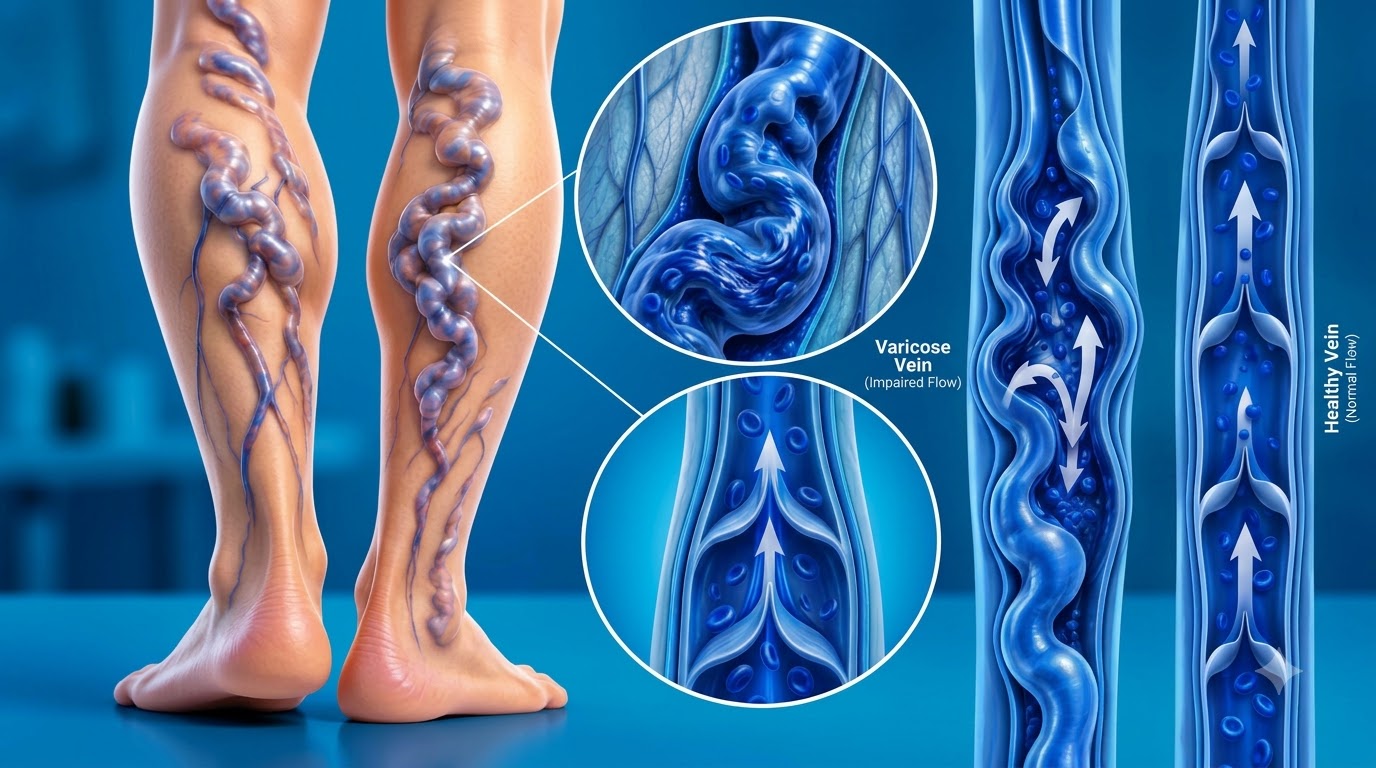
Varicose veins are enlarged, twisted, rope-like veins that bulge visibly beneath the surface of the skin — most commonly on the legs, calves and thighs. They form when the one-way valves inside the veins stop working properly, allowing blood to pool and flow backward instead of returning efficiently to the heart.
While often dismissed as a cosmetic issue, varicose veins are a sign of underlying venous disease. Left untreated they can worsen over time — leading to chronic leg swelling, skin discoloration, venous ulcers and Chronic Venous Insufficiency (CVI). At Advanced Medical Group they are evaluated and treated in-office across all our locations — no hospital, no general anesthesia, walk in walk out.
Key Facts
Symptoms
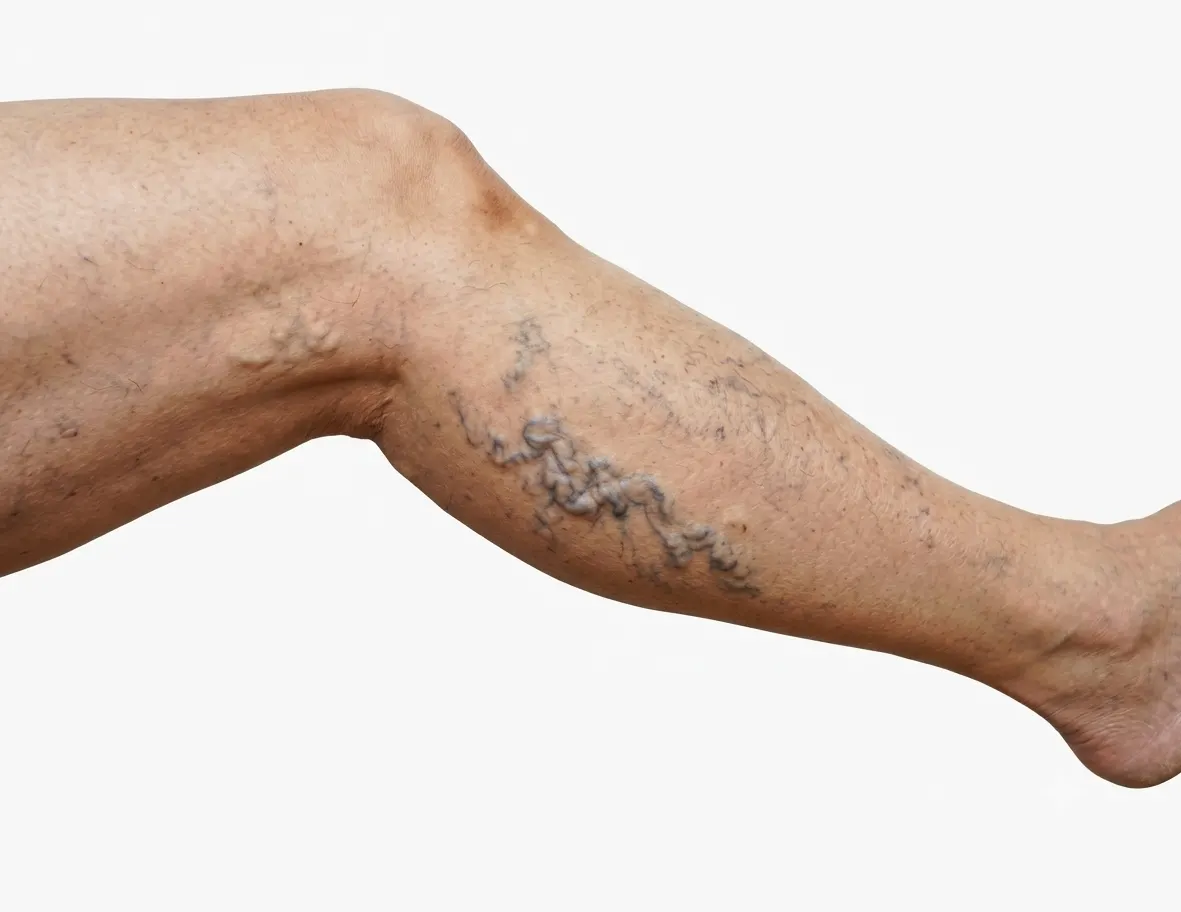
Visible Bulging Veins
Twisted, cord-like veins bulging visibly beneath the skin — typically blue, purple or dark green. Most prominent on the calves, back of the knees and inner thighs.
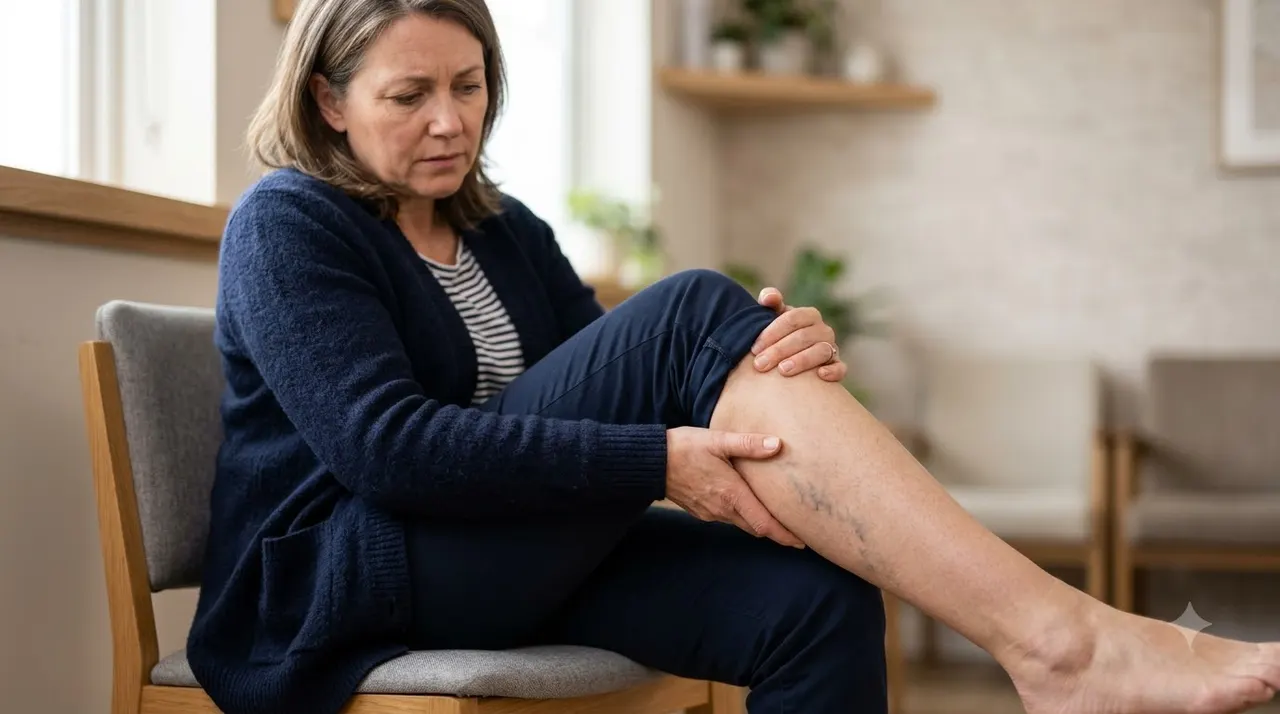
Leg Pain & Aching
Persistent dull ache, heaviness or throbbing in the legs — particularly after prolonged standing or sitting. Improves with rest and leg elevation.
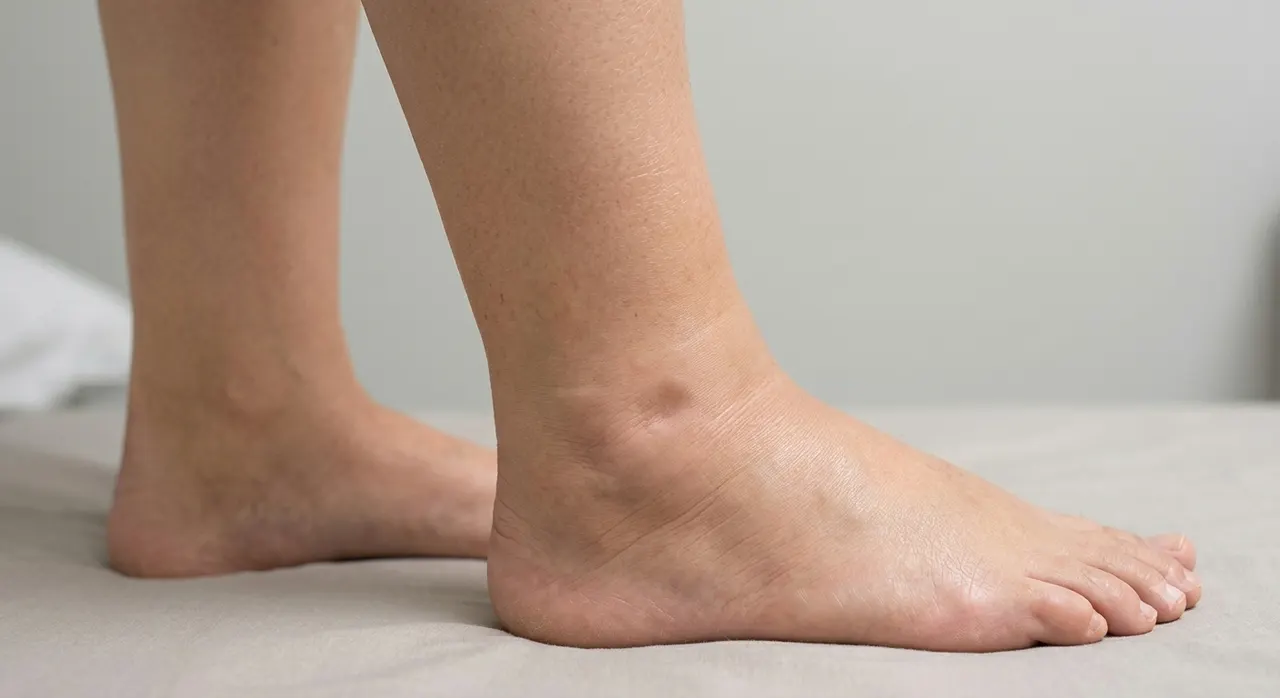
Leg Swelling
Swelling in the lower legs and ankles caused by blood and fluid pooling — worsening throughout the day and after long periods on your feet.
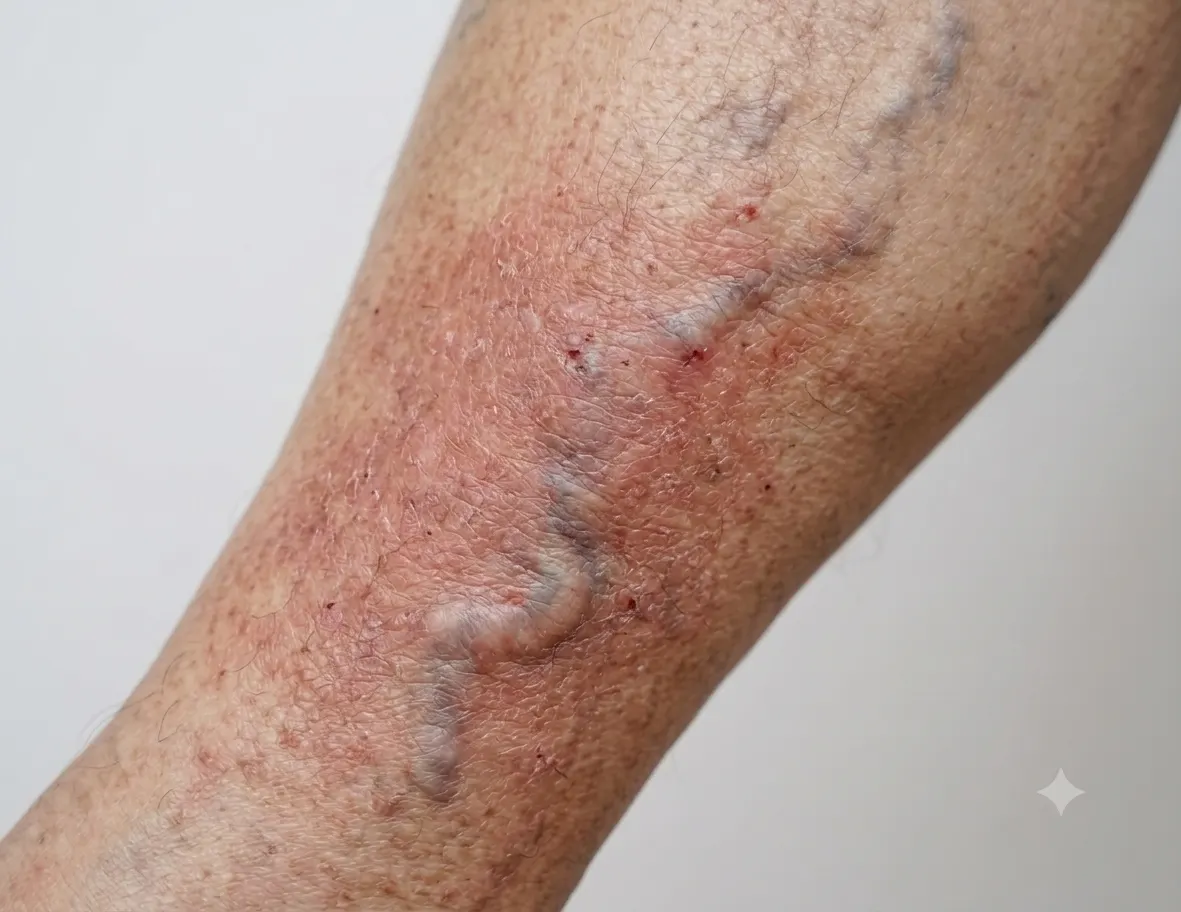
Itching or Burning
Skin irritation, itching or a burning sensation directly over or around the affected veins — a sign of venous inflammation in the surrounding tissue.
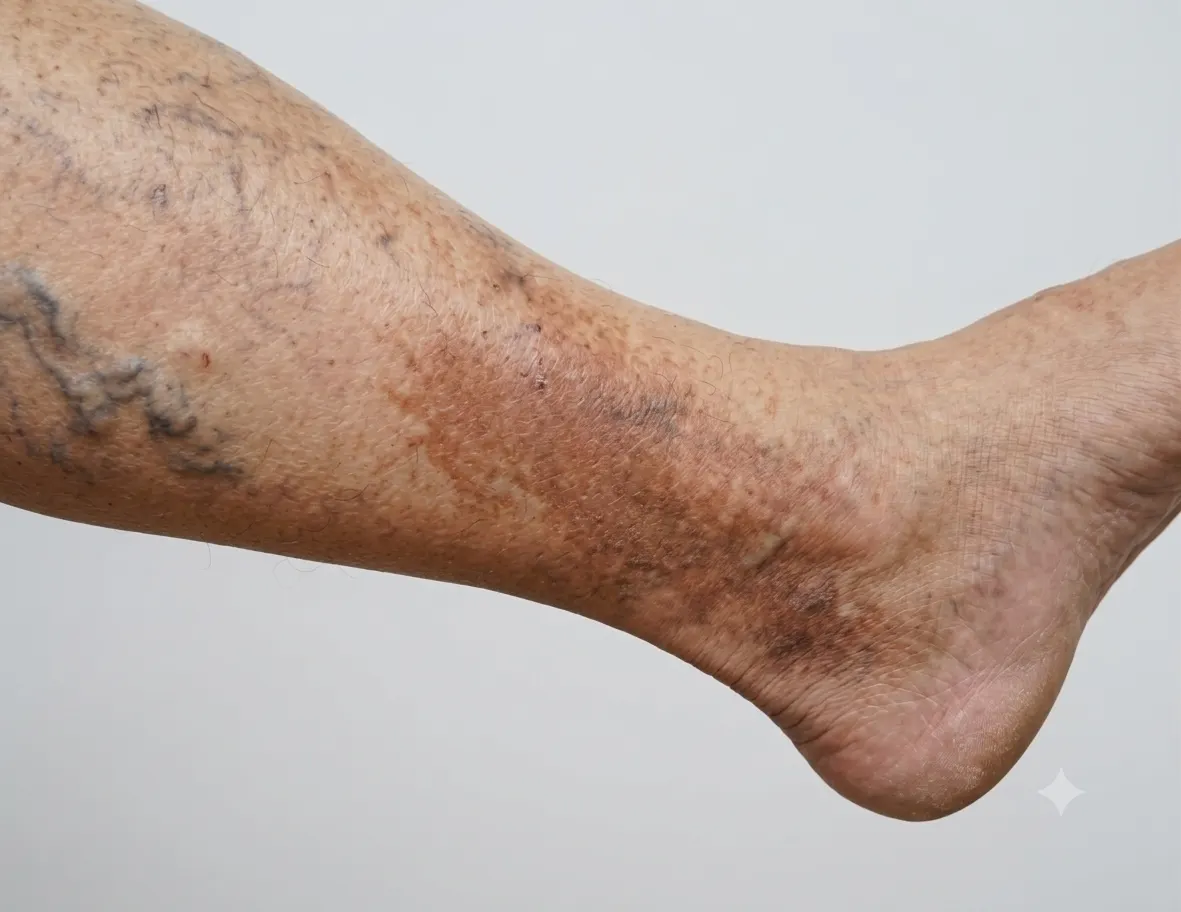
Skin Discoloration
Brownish or reddish discoloration around the ankles and lower legs — caused by iron deposits from blood leaking through stretched vein walls. A hallmark of progressing CVI.
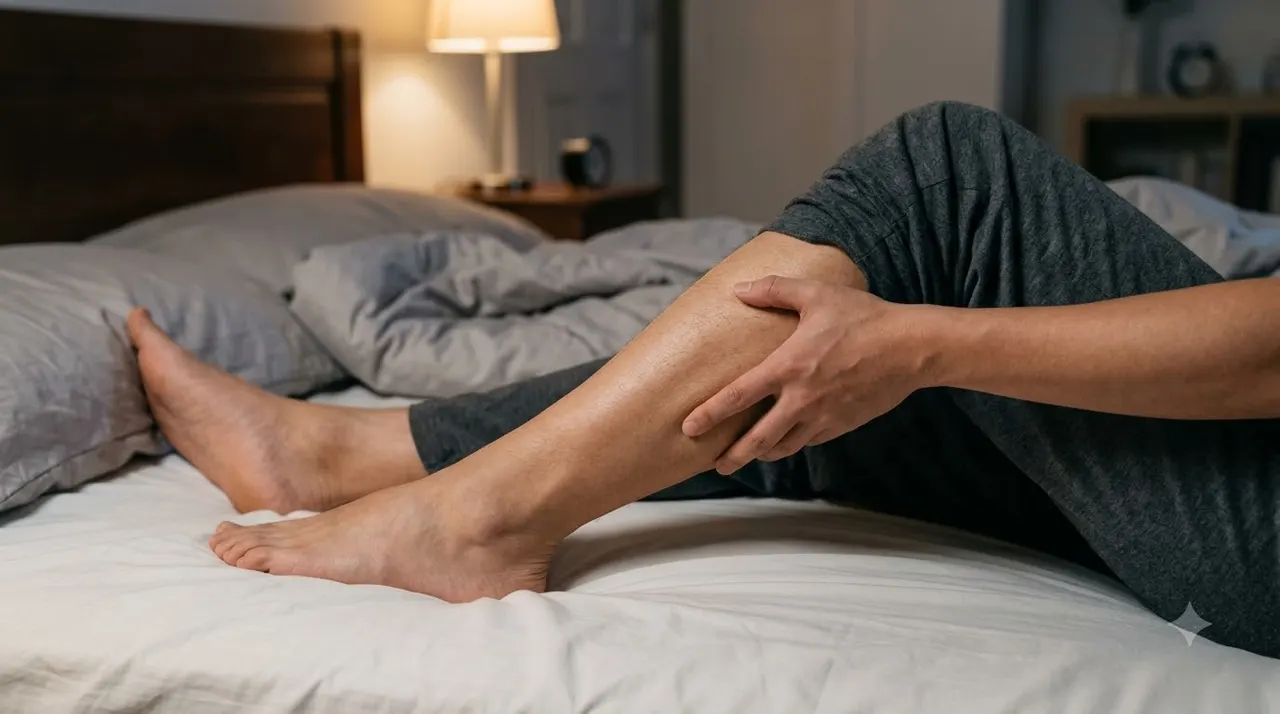
Restless Legs & Night Cramps
An uncomfortable urge to move the legs — particularly at night — and painful calf cramps associated with venous pressure and poor circulation.
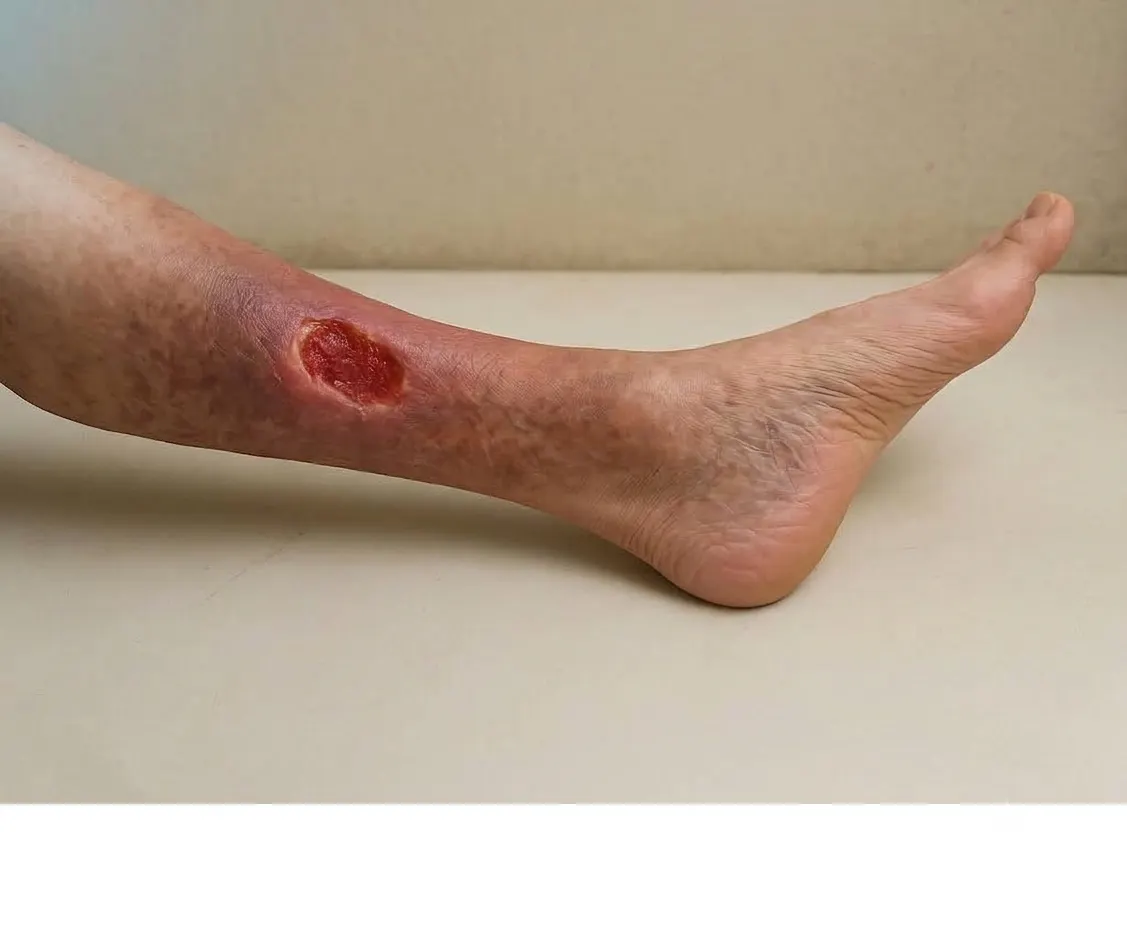
Venous Ulcers
In advanced cases, open sores or ulcers develop near the ankles — a serious complication of longstanding untreated varicose vein disease requiring urgent evaluation.
Why Varicose Veins Develop
Faulty Venous Valves
The primary cause. One-way valves inside the veins weaken or fail — allowing blood to flow backward and pool, causing the vein to stretch and enlarge.
Pregnancy
Increased blood volume and uterine pressure on pelvic veins frequently trigger or worsen varicose veins. Hormonal changes also contribute.
Family History
Varicose veins run strongly in families. If one parent has them the risk is about 40%; with both parents the risk rises to about 90%.
Prolonged Standing
Jobs requiring long periods of standing — nurses, teachers, retail workers — increase venous pressure and accelerate valve failure over time.
Diagnosed In Our Office
Physical Examination
Provider visually inspects and palpates the affected veins with the patient standing. The location, size, pattern and severity of varicose veins are documented.
Duplex Venous Ultrasound
The gold standard diagnostic tool — ultrasound maps the venous system, identifies faulty valves and assesses venous reflux in the great saphenous vein (GSV) and small saphenous vein (SSV). Essential before any treatment.
Treatment Planning
Based on ultrasound findings, the most appropriate treatment — Varithena, sclerotherapy or laser ablation — is selected and fully discussed before proceeding.
How We Treat Varicose Veins
All treatments are in-office across all AMG locations — no hospital, no general anesthesia, walk in walk out.
Varithena
FDA-approved prescription microfoam injected under ultrasound guidance to close the incompetent great saphenous vein — the most common source of varicose vein disease. Highly effective. Walk in, walk out.
View VarithenaSclerotherapy
Polidocanol (Asclera) injected directly into smaller varicose and spider veins — collapsing and eliminating the affected vein. 30–45 minutes. Walk out same day. 1–3 sessions.
View SclerotherapyLaser Ablation
Laser energy closes fine surface veins through the skin — no needles, no injections. Ideal for very fine veins or patients who prefer a needle-free approach. 15–30 minutes per session.
View Laser AblationWhat to Expect
Consultation
Provider reviews your symptoms and examines the veins with you standing to document location, size and severity.
Ultrasound
Duplex venous ultrasound maps the venous system and identifies faulty valves and reflux in the GSV and SSV.
Treatment
Varithena, sclerotherapy or laser ablation performed in-office — no hospital and no general anesthesia.
Recovery
Walk out the same day. Light walking is encouraged and most patients resume normal activity quickly.
Follow-Up
Follow-up visits confirm the treated veins have closed and address any remaining surface veins if needed.
Frequently Asked Questions
Varicose veins indicate underlying venous disease that can progress to Chronic Venous Insufficiency, skin ulcers and deep vein thrombosis (DVT) if left untreated. They are not just a cosmetic issue.
Treated veins do not return. However, new varicose veins can develop over time — particularly in patients with a strong genetic predisposition or ongoing risk factors such as prolonged standing.
This depends on the size and extent of disease. Varithena often achieves results in one to two sessions. Sclerotherapy typically requires two to four. Dr. Richard discusses the full treatment plan at your consultation.
When varicose veins cause symptoms such as pain, swelling or skin changes — rather than being purely cosmetic — treatment is often covered by Medicare and major commercial insurance. Our team verifies coverage at no cost.
CVI is a progressive condition where faulty vein valves allow blood to pool in the legs, causing persistent swelling, skin discoloration, skin thickening and eventually venous ulcers. Untreated varicose veins are a major cause. Treating the underlying reflux with Varithena helps prevent progression.
Yes — we provide care in English and Spanish at all locations. Se habla español.
Ready to take the next step?
Schedule a consultation at our North Bergen Vascular Procedure Center. Same-day appointments available.