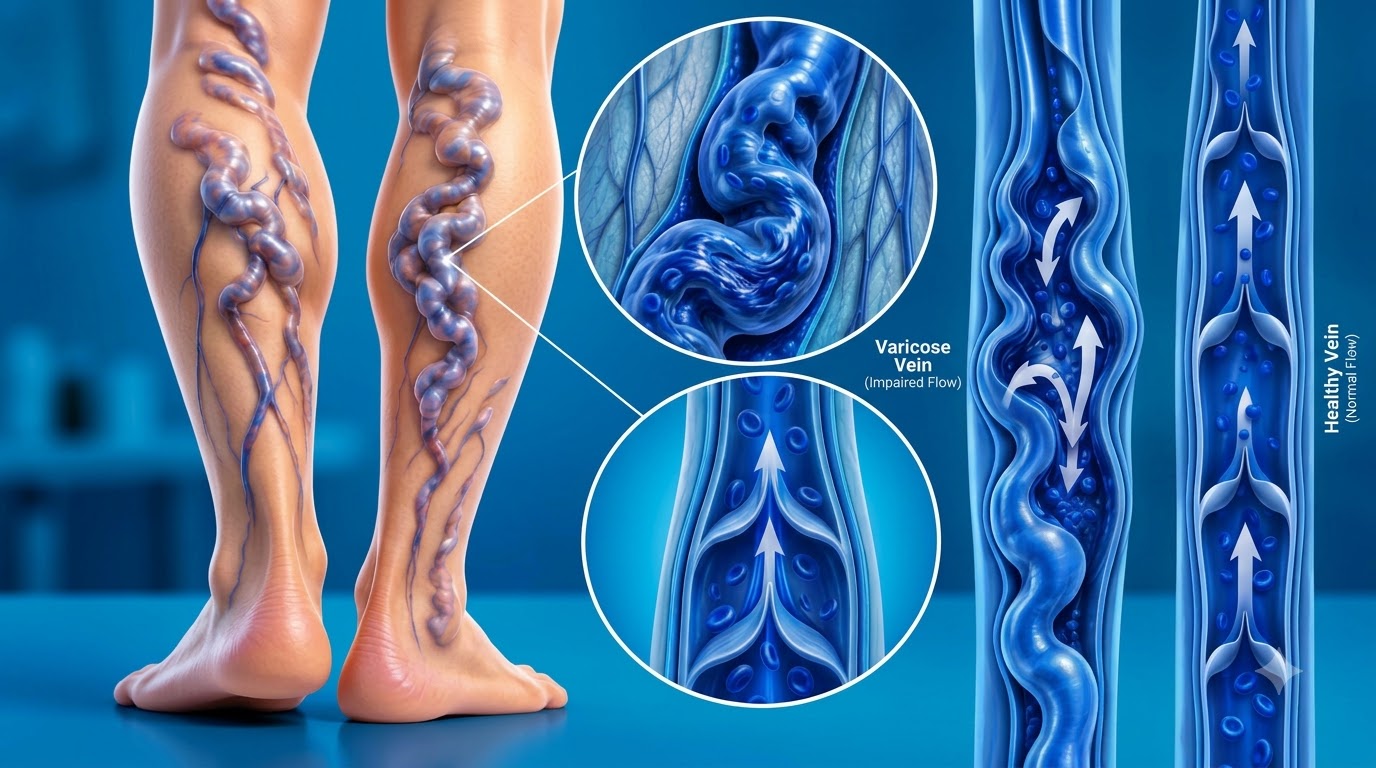
Leg Swelling & Edema
Fluid accumulation in the lower legs — evaluated for venous, cardiac and lymphatic causes with targeted, in-office treatment.
What Causes Leg Swelling & Edema?
Leg swelling (edema) is the build-up of fluid in the lower legs, ankles and feet. While it can have several causes — cardiac, kidney or lymphatic — the most common cause is venous: when the valves in the leg veins fail, blood pools in the legs and fluid leaks into the surrounding tissue, a condition known as Chronic Venous Insufficiency.
Persistent leg swelling should never be ignored, as it is often the first sign of underlying vein disease. At Advanced Medical Group, Dr. Merwin Richard evaluates the cause with in-office testing and treats venous swelling at its source — reducing swelling and preventing progression.
Key Facts
Signs & Related Symptoms
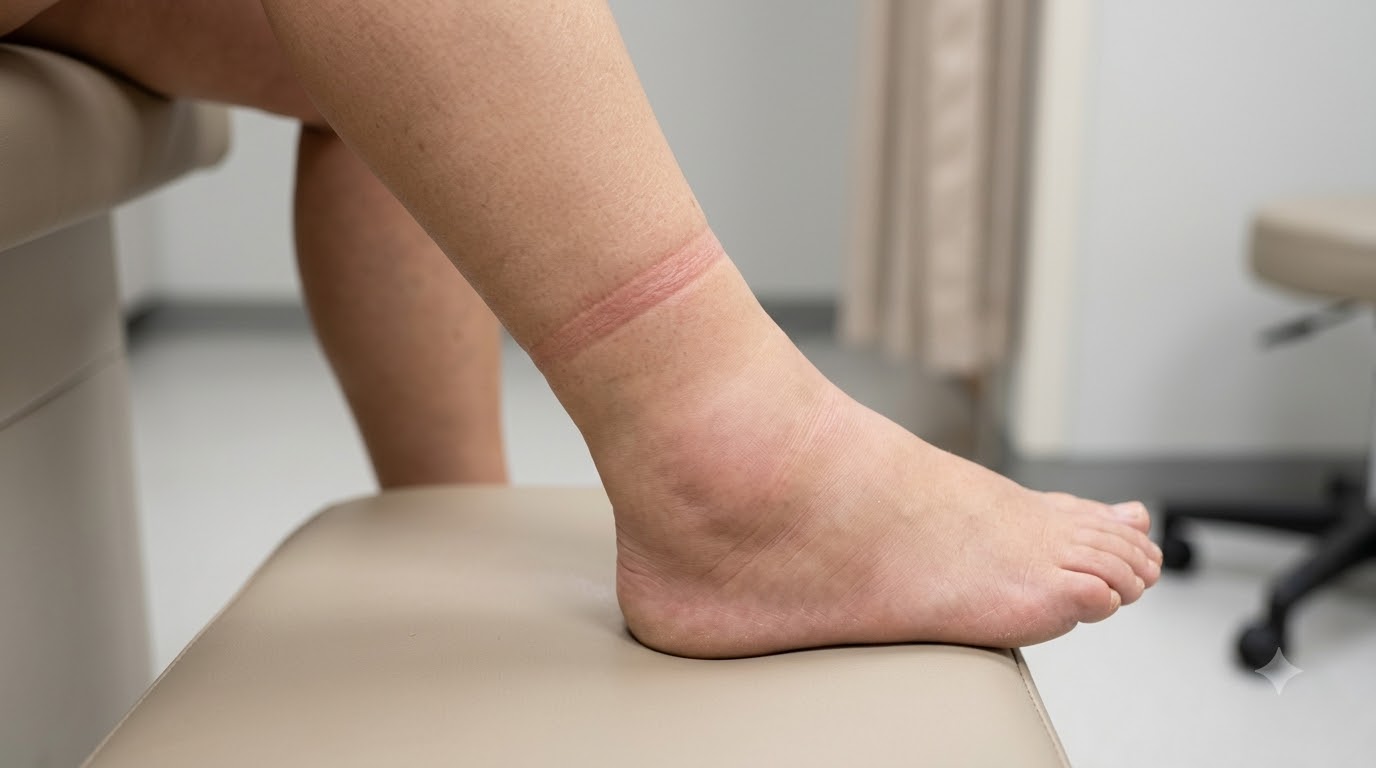
Swelling Worse by Evening
Swelling in the ankles and lower legs that builds through the day and improves overnight — a classic sign of venous origin.

Heaviness & Aching
A tired, heavy or aching sensation in the legs, often after prolonged standing or sitting.
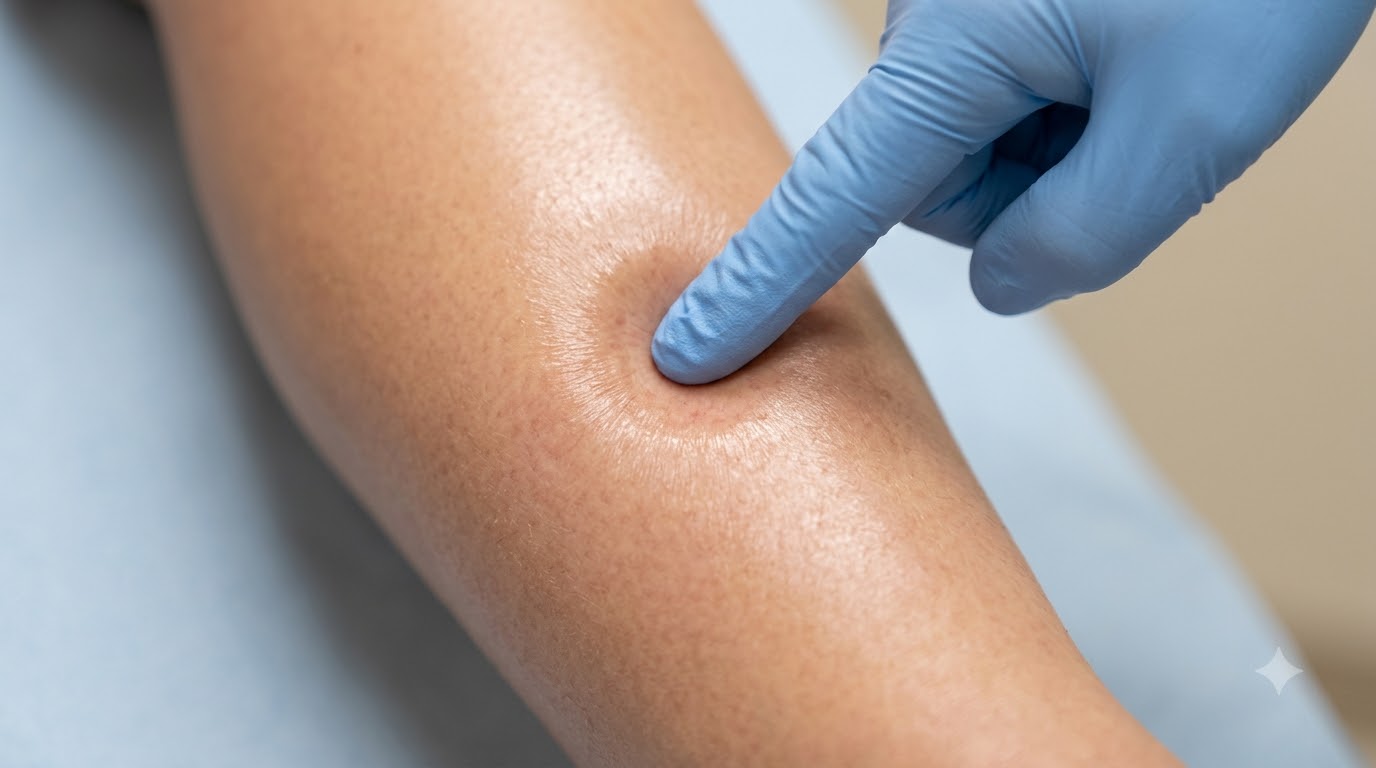
Skin Indentation (Pitting)
Pressing the swollen area leaves a temporary dent — known as pitting edema.
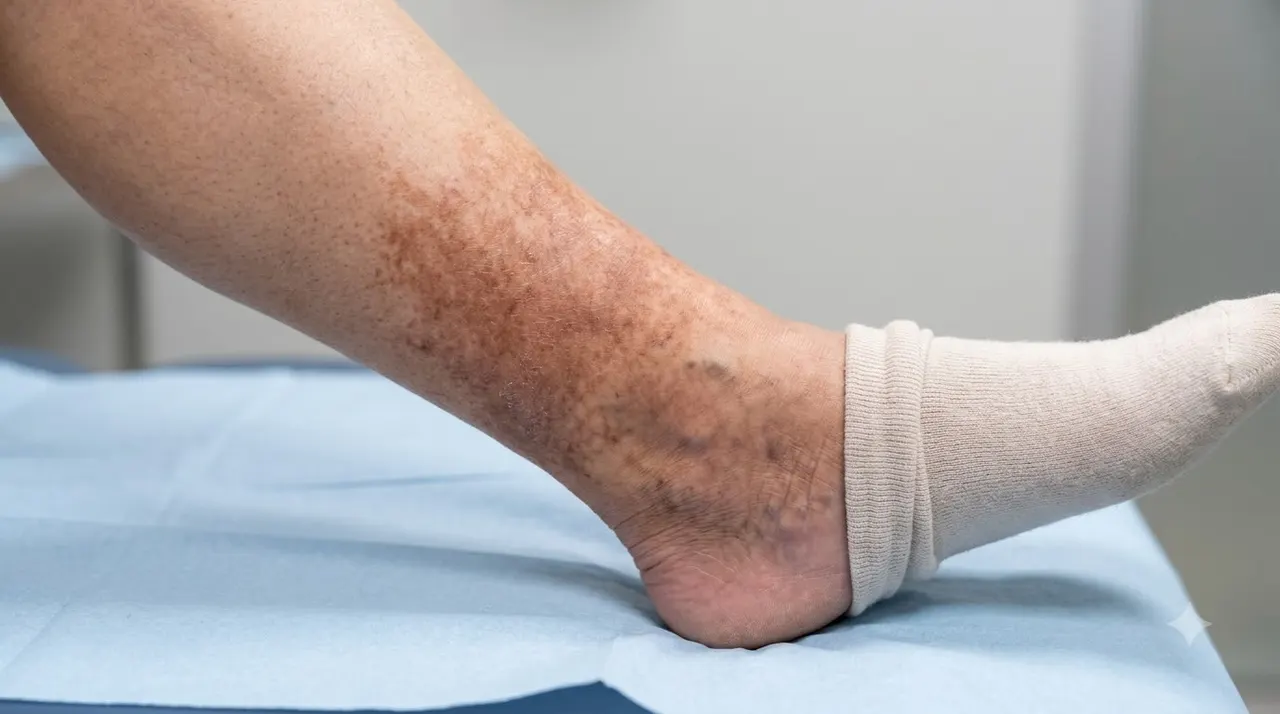
Skin Discoloration
Brownish or reddish discoloration around the ankles from long-standing venous pressure.
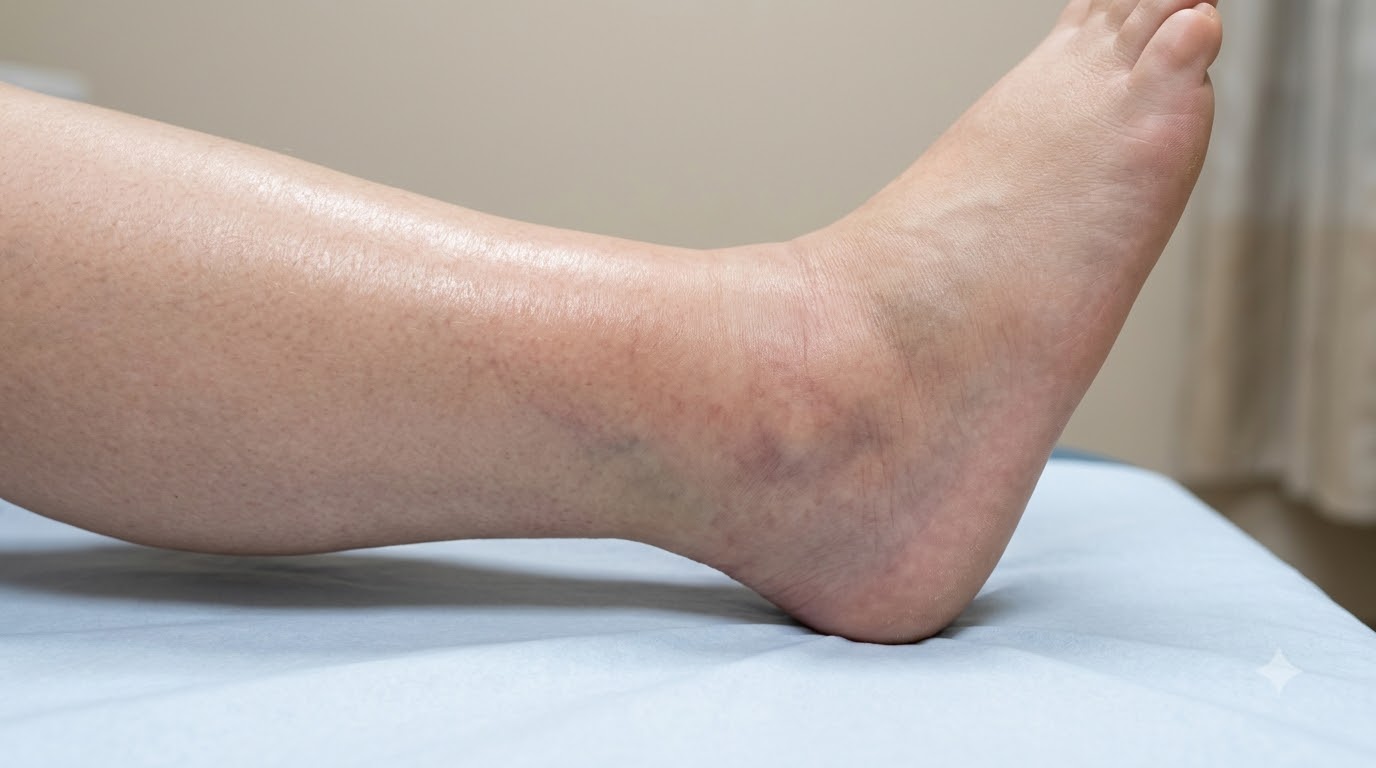
Tight or Shiny Skin
The skin over the swollen area may feel tight, stretched or appear shiny.
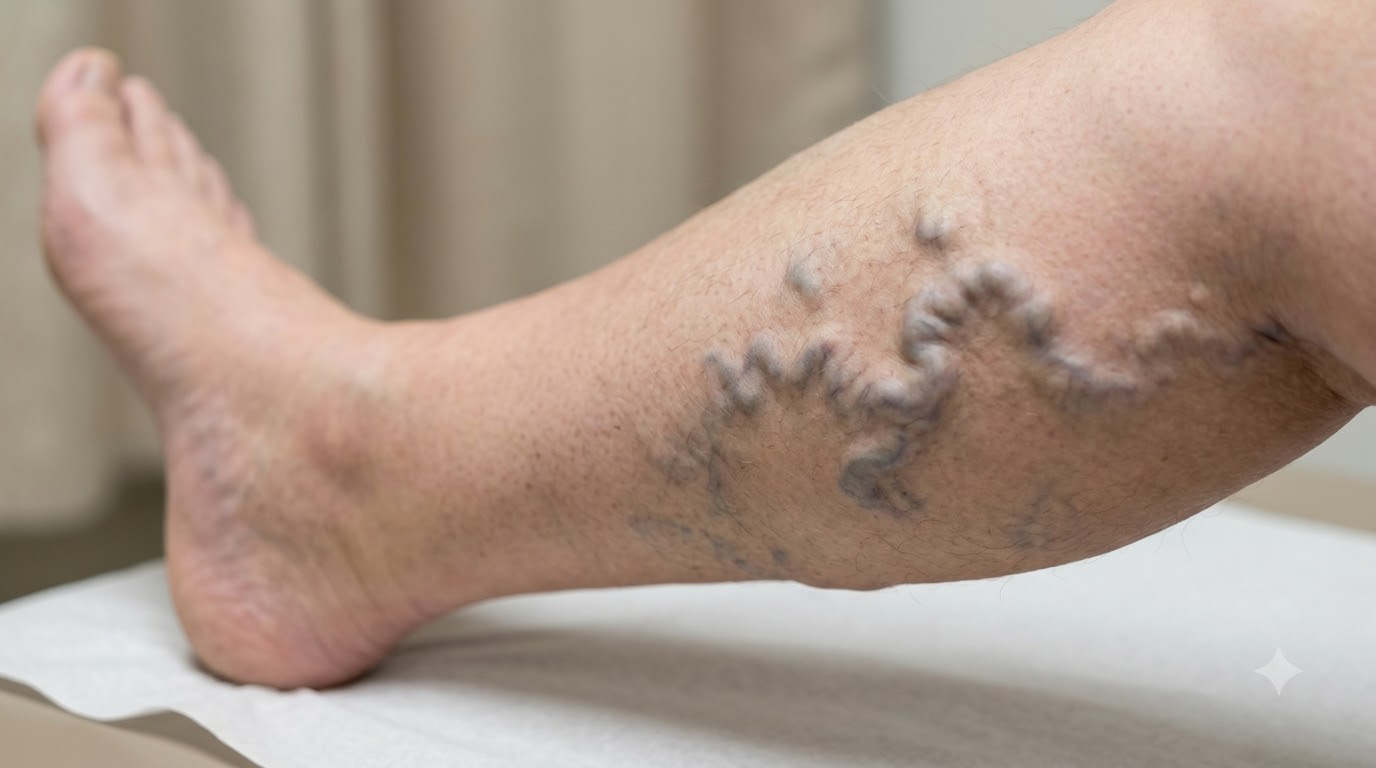
Visible Varicose Veins
Bulging or twisted veins accompanying the swelling — a sign of underlying venous reflux.
How We Evaluate Leg Swelling
Clinical Assessment
Dr. Richard reviews your symptoms, medical history and examines the legs to identify the likely cause of swelling.
Duplex Ultrasound
Ultrasound checks for venous reflux and faulty valves — the most common cause of leg swelling.
Rule Out Other Causes
When needed, cardiac, kidney and lymphatic causes are considered to ensure the correct diagnosis.
Targeted Treatment
If venous disease is the cause, it is treated at its source — with vein treatment, compression and lifestyle guidance.
How We Treat Venous Leg Swelling
When leg swelling is caused by vein disease, treating the underlying venous reflux reduces swelling and prevents progression. All in-office across all AMG locations.
Varithena
FDA-approved microfoam that closes the incompetent saphenous vein driving venous swelling — injected under ultrasound guidance. Walk in, walk out.
View VarithenaSclerotherapy
Polidocanol (Asclera) injected into varicose and spider veins associated with venous swelling — collapsing visible surface veins.
View SclerotherapyLaser Ablation
Non-injection laser treatment for fine surface veins contributing to swelling. 15–30 minutes per session.
View Laser AblationFrequently Asked Questions
It can be. Persistent leg swelling is often the first sign of vein disease (Chronic Venous Insufficiency) and occasionally a sign of heart, kidney or lymphatic problems. It should be evaluated rather than ignored.
With a clinical assessment and duplex ultrasound performed in our office to check for venous reflux. Other causes are considered when appropriate.
Yes. When the cause is venous, treating the underlying reflux — for example with Varithena — reduces swelling and prevents progression. Compression and lifestyle guidance also help.
Compression helps manage symptoms but does not treat the underlying venous reflux. It works best alongside in-office treatment of the root cause.
Yes — when leg swelling causes documented symptoms, treatment is generally covered by Medicare and most major commercial plans. Our team verifies coverage before your visit.
Ready to take the next step?
Schedule a consultation at our North Bergen Vascular Procedure Center. Same-day appointments available.