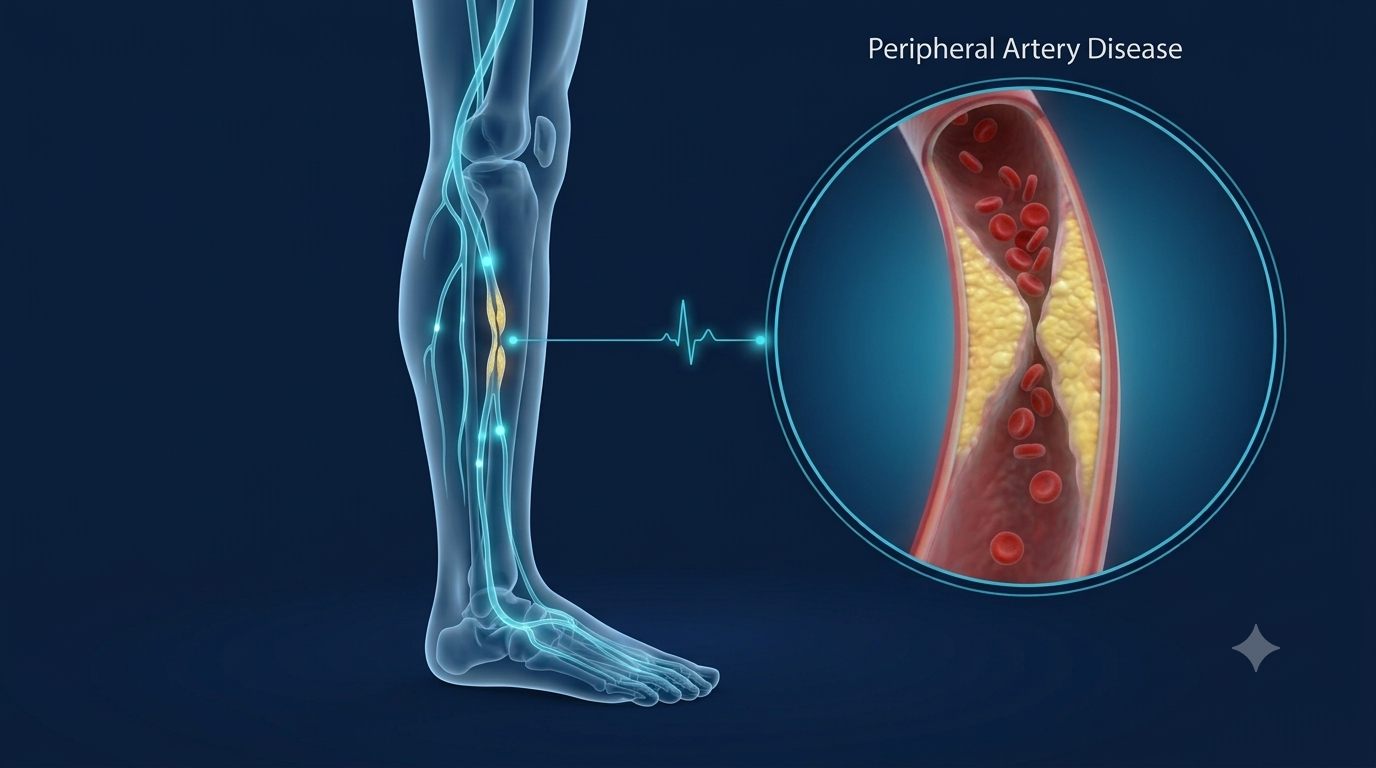
Critical Limb Ischemia (CLI)
The most severe form of Peripheral Artery Disease — a limb-threatening blockage of blood flow requiring urgent revascularization to prevent amputation.
What Is Critical Limb Ischemia?
Critical Limb Ischemia (CLI) — also called Chronic Limb-Threatening Ischemia — is the most advanced and dangerous stage of Peripheral Artery Disease (PAD). It occurs when arterial blockages become so severe that blood flow to the legs and feet is drastically reduced, even at rest. The tissue is effectively starved of oxygen.
CLI is a medical emergency for the limb. Without prompt restoration of blood flow, patients face non-healing wounds, gangrene and a high risk of amputation. The good news is that with early, minimally invasive intervention by Dr. Merwin Richard at our North Bergen Vascular Procedure Center, most limbs can be saved.
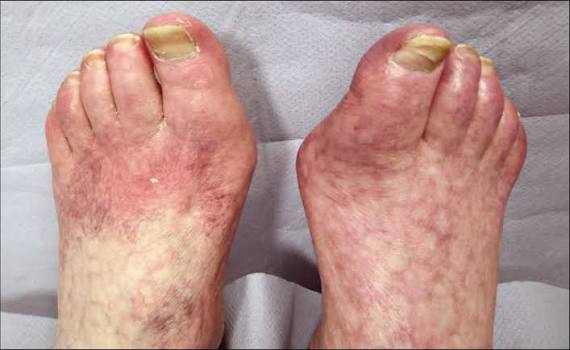
Key Facts
Warning Signs of CLI
Rest Pain in the Feet
Severe pain or burning in the feet and toes even while resting — classically worse at night and relieved by hanging the leg over the bed.
Non-Healing Wounds & Ulcers
Sores, ulcers or wounds on the feet, toes or legs that fail to heal — a hallmark of critically reduced blood flow.
Gangrene or Tissue Loss
Black or dead tissue on the toes or foot — a sign of advanced CLI requiring immediate intervention.
Cold, Pale or Bluish Feet
Feet that feel cold to the touch and appear pale, bluish or dusky due to severely reduced circulation.
Shiny, Hairless Skin
Thin, shiny skin with loss of hair on the legs and feet — a chronic sign of long-standing poor arterial flow.
Weak or Absent Pulses
A weak or absent pulse in the feet and ankles detected on examination — a key clinical sign of critical blockage.
How We Treat CLI
Urgent Vascular Assessment
Immediate examination, ABI testing and imaging to determine the severity and location of the blockage.
Diagnostic Angiogram
Contrast imaging maps the arterial blockages precisely to plan the most effective revascularization strategy.
Revascularization
Angioplasty, stent placement or atherectomy is performed through a small catheter to reopen the artery and restore blood flow to the limb.
Wound & Limb Salvage Care
Once blood flow is restored, wounds are managed in coordination with our podiatry team to promote healing and preserve the limb.
When to Seek Urgent Care
Seek Evaluation If You Have
- Constant foot or toe pain, especially at rest or at night
- A wound, sore or ulcer on the foot or leg that will not heal
- Black, blue or discolored toes or areas of the foot
- Cold, pale feet with weak or absent pulses
- Been told amputation may be needed due to poor circulation
Good to Know
- All revascularization performed under local anesthesia with same-day discharge
- No hospital admission and no general anesthesia
- Covered by Medicare and most major commercial plans
What to Expect at Our Vascular Procedure Center
Urgent Evaluation
Dr. Richard reviews your symptoms and performs ABI testing and imaging to assess the severity of the blockage.
Angiogram
A diagnostic angiogram precisely maps the blockages to guide treatment.
Revascularization
Angioplasty, stent or atherectomy restores blood flow through a small catheter under local anesthesia.
Recovery
Short monitored rest. Most patients go home within 1–2 hours the same day.
Limb Salvage
Ongoing wound care and monitoring with Dr. Richard to promote healing and preserve the limb.
Frequently Asked Questions
Yes. CLI is a limb-threatening condition. Without prompt restoration of blood flow, it can lead to non-healing wounds, gangrene and amputation. Urgent evaluation is essential.
In most cases, yes — when treated early. Minimally invasive revascularization such as angioplasty, stenting or atherectomy can restore blood flow and save the limb.
Usually not. Dr. Richard performs revascularization through a small catheter under local anesthesia in our Vascular Procedure Center — no open surgery, no hospital stay.
As soon as possible. If you have rest pain, non-healing wounds or discolored toes, call us right away for an urgent evaluation.
Yes — revascularization for CLI is covered by Medicare and most major commercial plans when medically indicated. Our team verifies coverage before your visit.
Ready to take the next step?
Schedule a consultation at our North Bergen Vascular Procedure Center. Same-day appointments available.