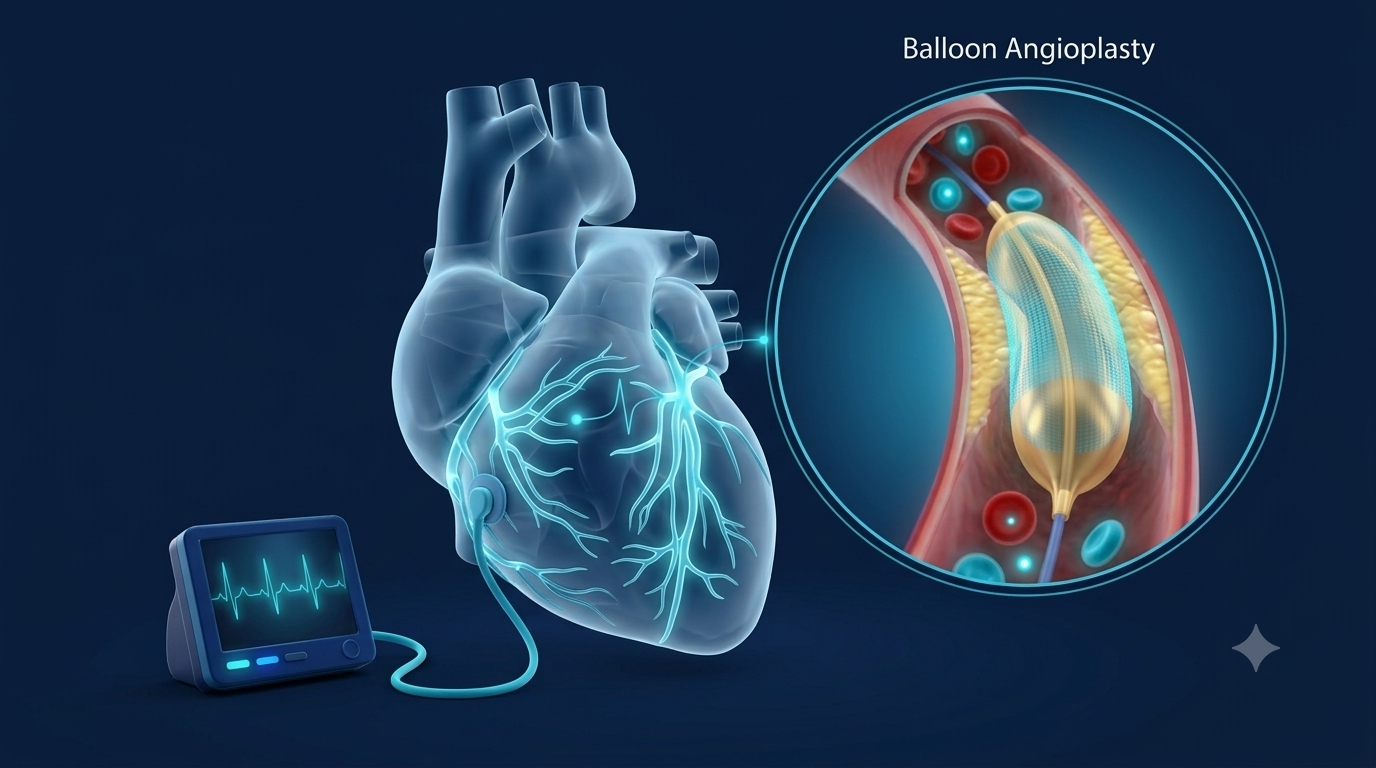
Atherectomy
Removal of calcified plaque from arterial walls using specialized catheters — for severe blockages not suitable for balloon angioplasty alone.
What Is Atherectomy?
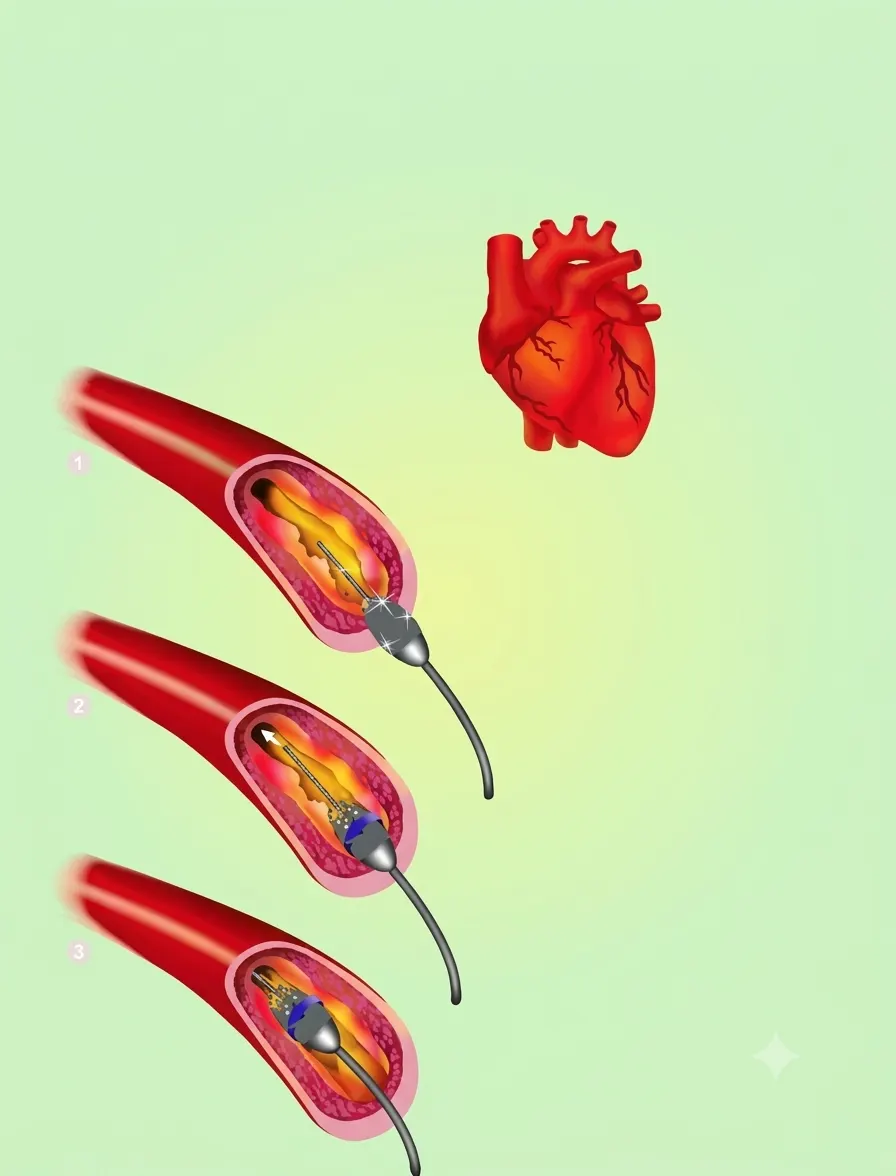
Atherectomy is a minimally invasive, catheter-based procedure that physically removes plaque build-up from the inside of a narrowed or blocked artery. Using a specialized catheter with a cutting, sanding or laser tip, Dr. Merwin Richard shaves away or breaks down hardened, calcified plaque to reopen the artery and restore blood flow.
Atherectomy is particularly valuable for heavily calcified blockages that are difficult to treat with balloon angioplasty alone. It is often used in combination with angioplasty and stenting to achieve the best possible result — all performed in our North Bergen Vascular Procedure Center under local anesthesia with same-day discharge.
Key Facts
When Atherectomy Is Used
Calcified Blockages
Ideal for hardened, calcium-rich plaque that a balloon cannot adequately compress or open on its own.
Long or Complex Lesions
Useful for long segments of diseased artery where debulking the plaque improves the final result.
Preparing for a Stent
Often performed before angioplasty and stenting to create a better channel and improve long-term outcomes.
How Atherectomy Works
Access & Local Anesthesia
The access site is cleaned and numbed with local anesthesia. A small catheter is introduced into the artery.
Catheter Guided to Blockage
Under real-time X-ray guidance, the atherectomy catheter is advanced precisely to the calcified blockage.
Plaque Removed
The specialized tip shaves, sands or breaks down the hardened plaque, clearing the artery and restoring blood flow.
Angioplasty / Stent if Needed
Balloon angioplasty and/or a stent may follow to fully open the artery and keep it open.
Same-Day Discharge
A short monitored rest follows. Most patients walk out and go home within 1–2 hours the same day.
Am I a Candidate?
Ideal For Patients Who Have
- Peripheral Artery Disease with heavily calcified blockages
- Leg pain, cramping or claudication limiting daily activity
- A blockage not fully treatable with balloon angioplasty alone
- Non-healing wounds or reduced blood flow to the legs
Good to Know
- Performed under local anesthesia with same-day discharge
- No hospital admission and no general anesthesia
- Covered by Medicare and most major commercial plans
What to Expect at Our Vascular Procedure Center
Consultation
Dr. Richard reviews your imaging and symptoms to confirm atherectomy is the right approach.
Preparation
Access site cleaned and numbed with local anesthesia. No general anesthesia needed.
The Procedure
The atherectomy catheter removes the calcified plaque under X-ray guidance — angioplasty or stent may follow.
Recovery
Short monitored rest. Most patients go home within 1–2 hours the same day.
Follow-Up
Dr. Richard monitors blood flow improvement and provides ongoing lifestyle guidance.
Frequently Asked Questions
Angioplasty uses a balloon to push plaque against the artery wall. Atherectomy physically removes the plaque. The two are often combined, especially when plaque is heavily calcified.
No. The procedure is performed under local anesthesia. Patients may feel mild pressure but the procedure is well tolerated.
No. Atherectomy is performed through a small catheter — no open surgery, no general anesthesia and no hospital stay.
No. It is an outpatient procedure in our Vascular Procedure Center. Most patients go home within 1–2 hours.
Yes — atherectomy is covered by Medicare and most major commercial plans when medically indicated. Our team verifies coverage before your visit.
Ready to take the next step?
Schedule a consultation at our North Bergen Vascular Procedure Center. Same-day appointments available.