Chronic Venous Insufficiency (CVI)
A progressive venous disease where faulty vein valves allow blood to pool in the legs — causing persistent swelling, skin changes and ulcers if left untreated.
What Is Chronic Venous Insufficiency?
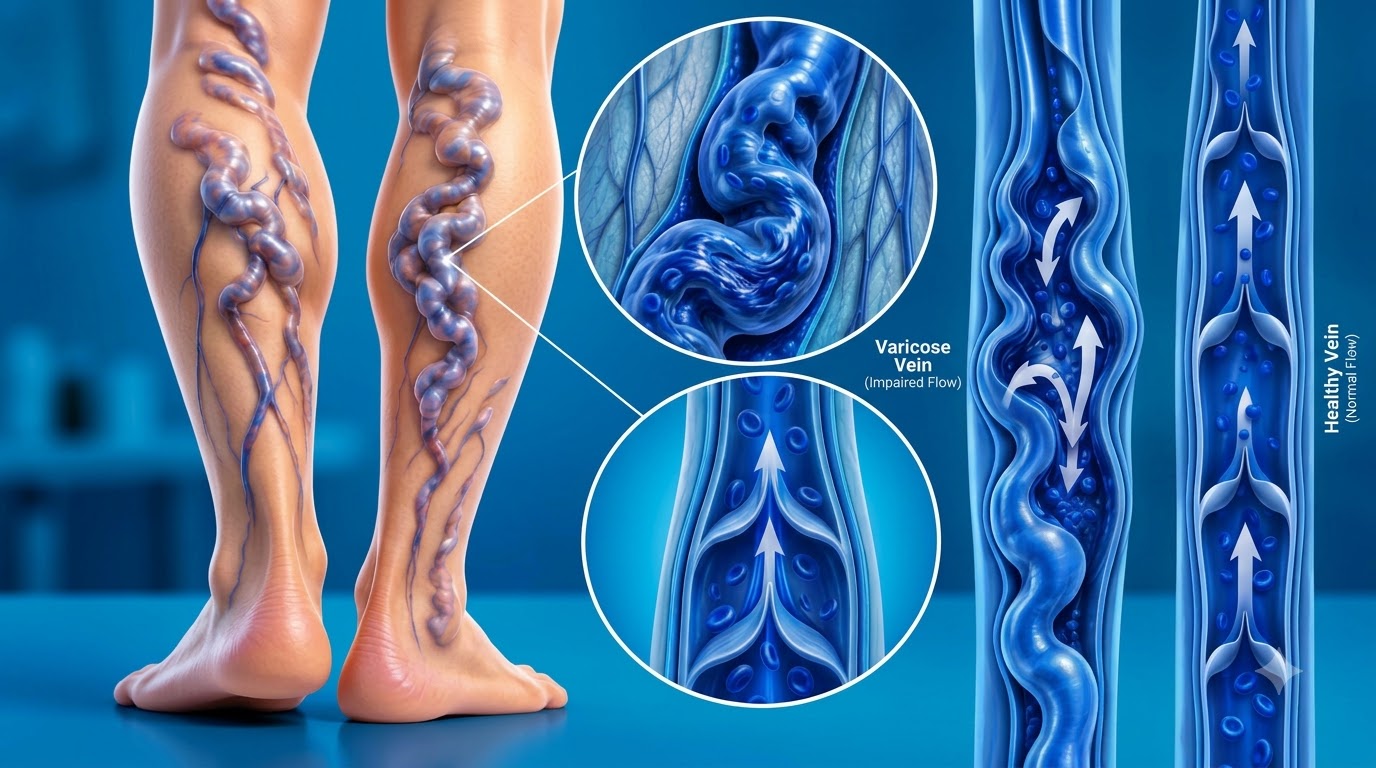
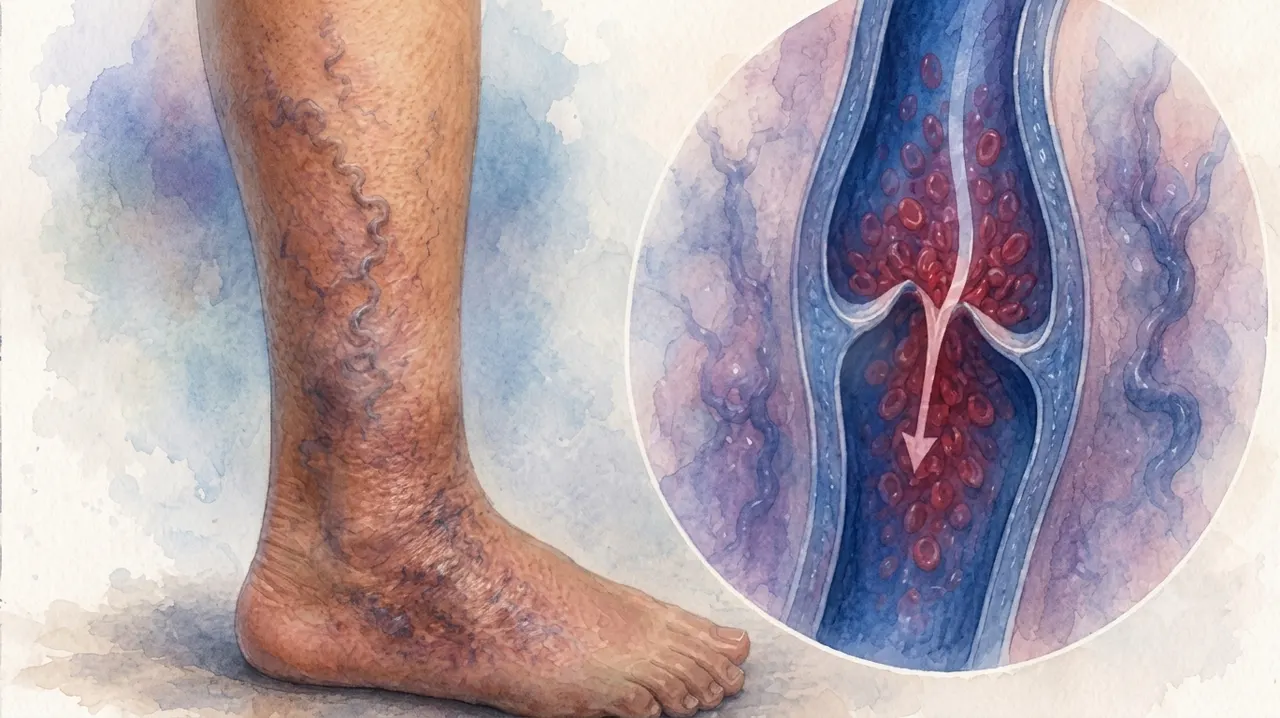
Chronic Venous Insufficiency (CVI) is a progressive vascular condition in which the veins of the legs are unable to efficiently return blood back to the heart. When the one-way valves inside the leg veins become damaged or weakened, blood flows backward and pools in the lower legs — a process called venous reflux.
Over time, this sustained venous pressure causes persistent leg swelling, skin discoloration, skin thickening and — in its most advanced form — venous leg ulcers. CVI is one of the most underdiagnosed conditions, with millions of patients dismissing its symptoms as normal aging or tiredness.
Signs & Symptoms
Leg Swelling (Edema)
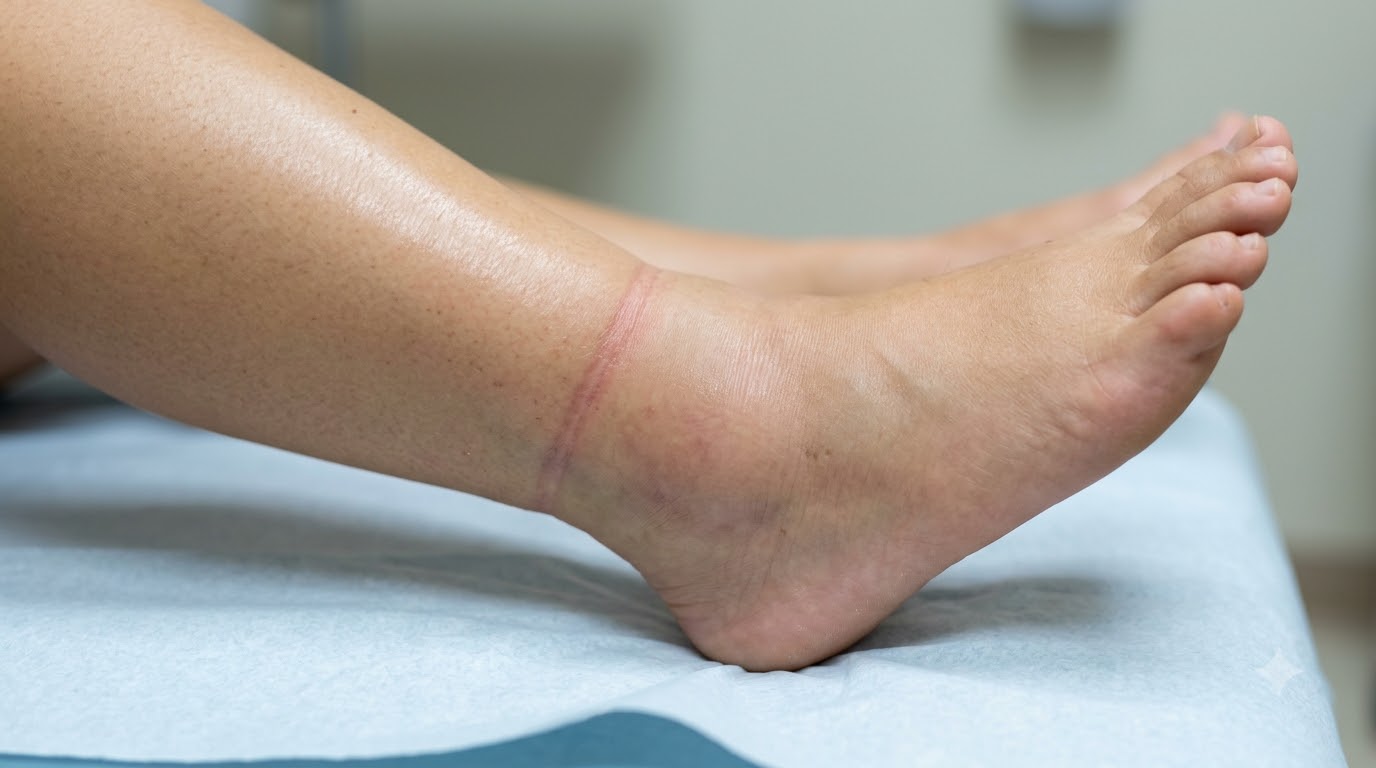
Persistent swelling of the lower legs and ankles — typically worse at the end of the day and after prolonged standing or sitting. Often the first symptom patients notice.

Leg Heaviness & Fatigue
A constant feeling of heaviness, tiredness or fatigue in the legs — many patients describe them as feeling "like lead," especially after standing.
Skin Discoloration
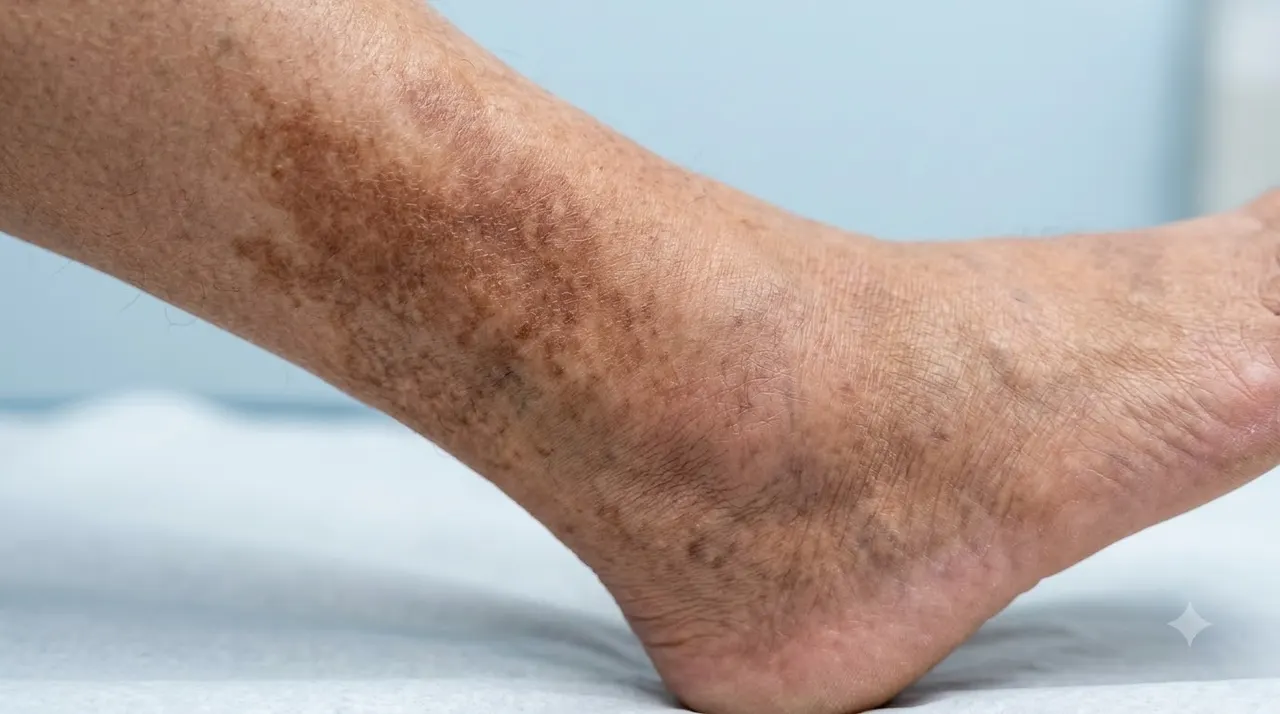
Brownish, reddish or purplish discoloration around the ankles and lower legs — caused by red blood cells leaking through stretched vein walls and breaking down under the skin.
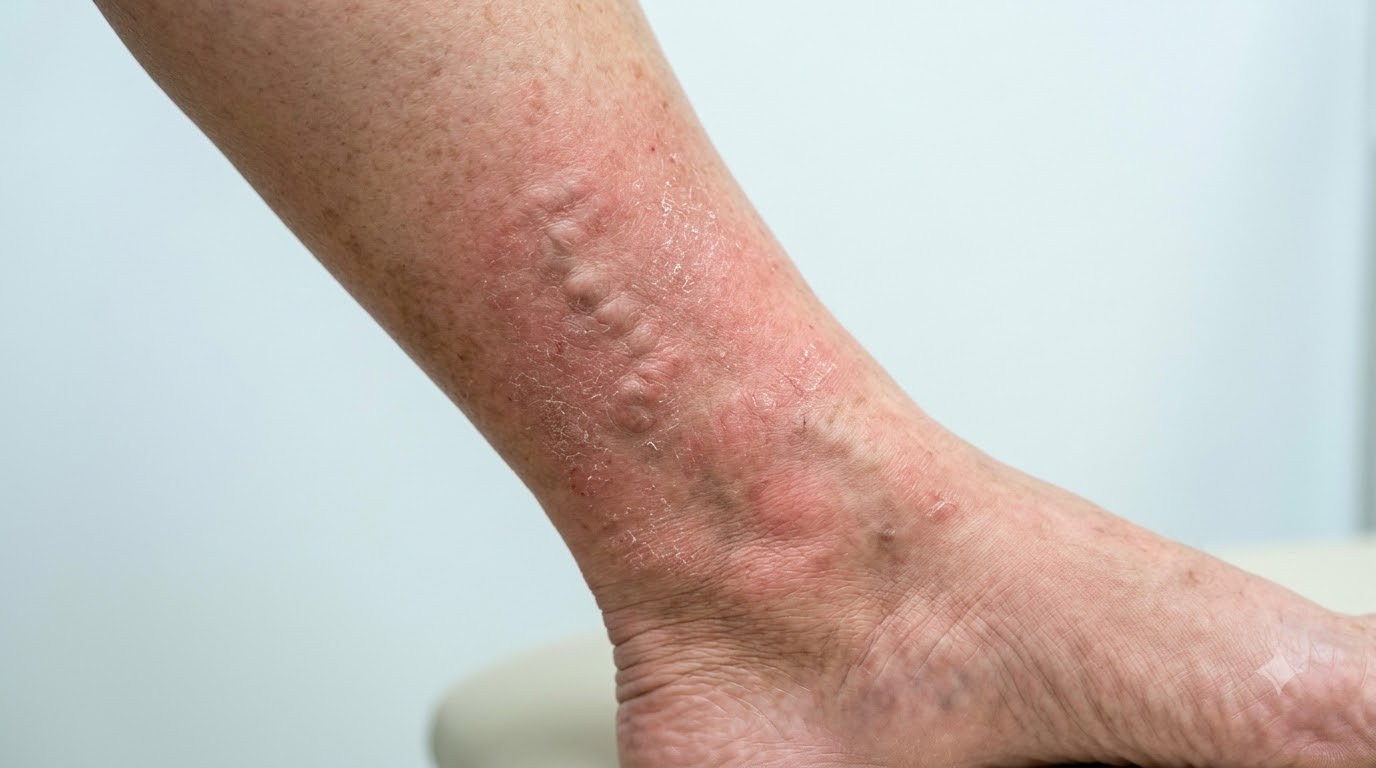
Itching & Varicose Eczema
Persistent dry, itchy, inflamed skin over the affected veins — sometimes developing into a scaly or weeping rash called stasis dermatitis or varicose eczema.
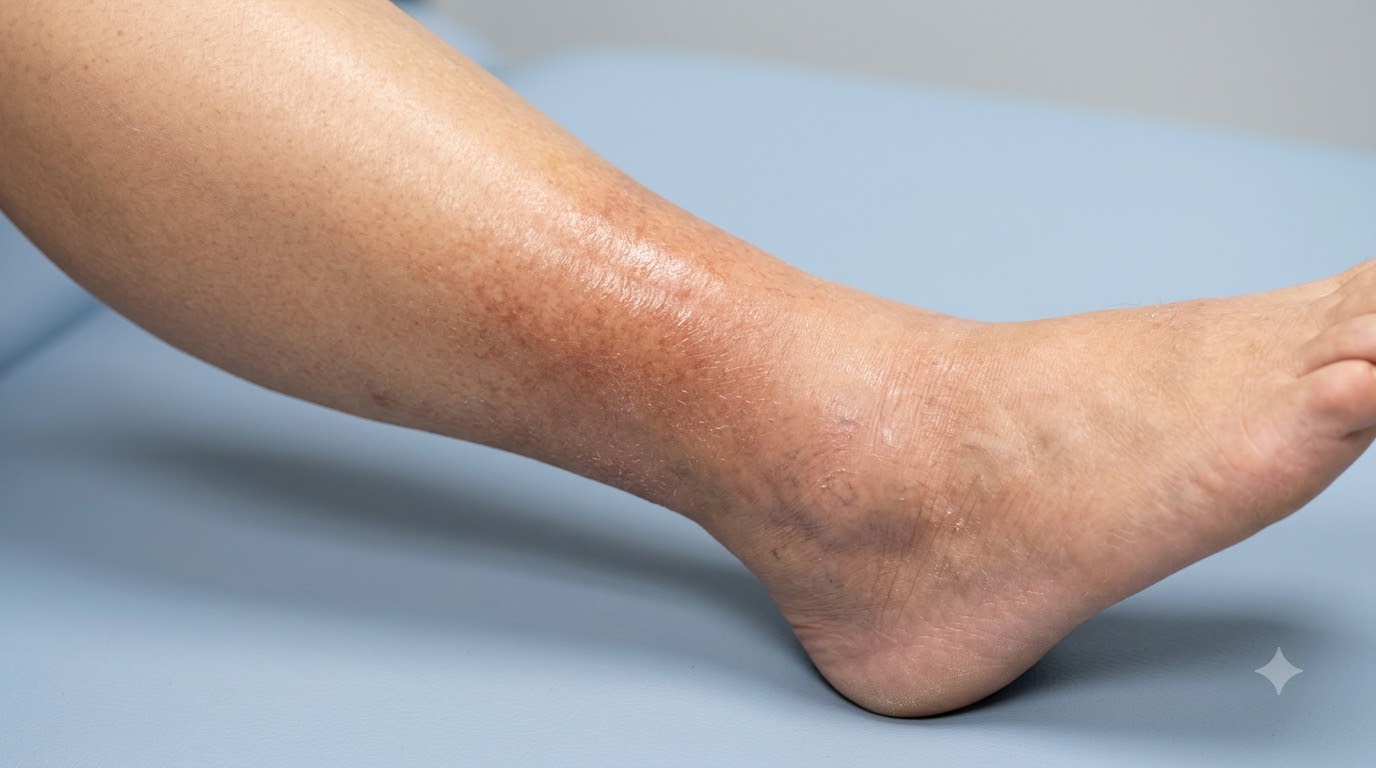
Skin Thickening
The skin around the lower leg becomes hard, tight and thickened (lipodermatosclerosis) due to chronic inflammation from sustained elevated venous pressure.

Restless Legs at Night
An uncomfortable crawling or restless sensation in the legs at night — frequently associated with CVI and often misattributed to restless leg syndrome.
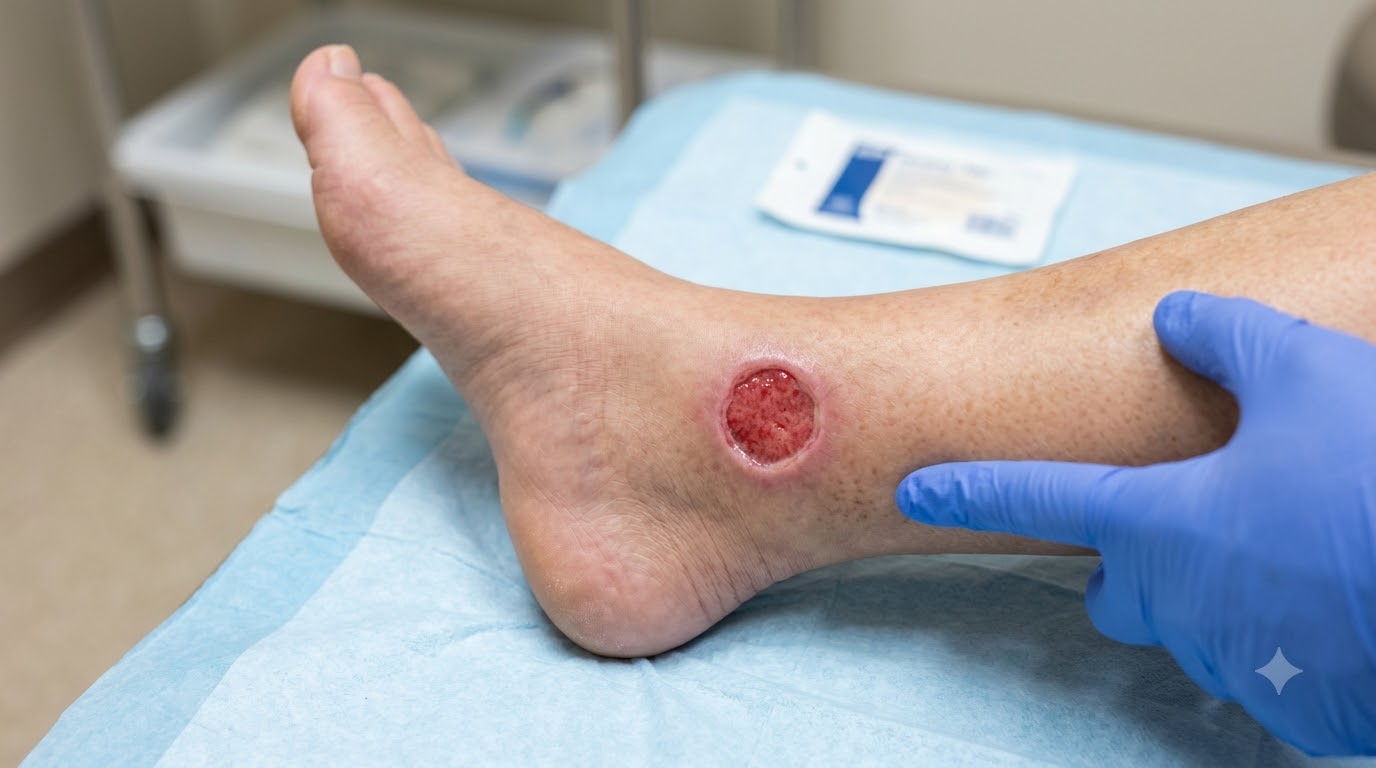
Venous Leg Ulcers
Open, slow-healing sores near the ankle — the most serious complication of advanced CVI. Venous ulcers account for over 70% of all leg ulcers and require urgent evaluation.
How CVI Progresses
CVI is classified from C0 to C6 using the internationally recognised CEAP system. Without treatment it advances through the stages over time.
Causes & Risk Factors
Prior DVT
A previous deep vein thrombosis is one of the strongest risk factors. Clots permanently damage vein valves, causing post-thrombotic syndrome and venous reflux.
Pregnancy
Each pregnancy increases CVI risk. The uterus compresses pelvic veins, increasing venous pressure in the legs. Hormonal changes also weaken vein walls.
Prolonged Standing or Sitting
Occupations requiring prolonged standing or desk work significantly elevate venous pressure over time — nurses, factory workers and office workers are most at risk.
Family History
A strong genetic predisposition exists — patients with a first-degree relative with CVI or varicose veins are at significantly higher risk of developing the condition.
Obesity
Excess body weight increases intra-abdominal pressure, compressing pelvic veins and reducing efficient venous return from the legs.
Age & Gender
CVI is more common with advancing age and significantly more prevalent in women — particularly after multiple pregnancies or hormonal therapy.
Faulty Valves
The underlying cause of CVI. When vein valves fail, blood flows backward and pools — creating the sustained venous hypertension driving all CVI symptoms.
Untreated Varicose Veins
Longstanding untreated varicose veins are a major driver of CVI progression — early treatment prevents escalation to more serious stages.
Diagnosed In Our Office
Clinical Assessment
Provider assesses leg symptoms, skin changes and visible vein disease. The pattern, distribution and severity guide diagnostic testing and CEAP classification.
Duplex Venous Ultrasound
The gold standard for diagnosing CVI. Ultrasound identifies venous reflux — backward flow of blood through incompetent valves — mapping the great saphenous vein (GSV) and small saphenous vein (SSV) to guide treatment planning.
Treatment Planning
Based on CEAP classification and ultrasound findings, the most appropriate treatment is selected and discussed before proceeding.
How We Treat CVI
Treatment depends on the stage and veins involved. All in-office across all AMG locations — no hospital, walk in walk out.
Varithena
FDA-approved microfoam targeting great saphenous vein incompetence — the most common root cause of CVI. Injected under ultrasound guidance. Collapses and seals the incompetent vein permanently. Walk in, walk out.
View VarithenaSclerotherapy
Polidocanol (Asclera) injected into varicose and spider veins associated with CVI — collapsing visible surface veins. Often combined with Varithena to treat both the root cause and visible disease.
View SclerotherapyLaser Ablation
Non-injection laser treatment for fine surface veins associated with CVI — particularly spider veins and small varicose veins resistant to sclerotherapy. 15–30 minutes per session.
View Laser AblationFrequently Asked Questions
Yes. CVI is progressive — it worsens at every stage without treatment. Advanced CVI leads to permanent skin damage, recurrent infections and venous leg ulcers that are difficult and costly to manage.
CVI cannot be cured but it can be effectively treated and managed. Treating the underlying venous reflux with Varithena significantly reduces symptoms and prevents progression to more serious stages.
Compression stockings help manage symptoms and slow progression but do not treat the underlying venous reflux. They are an important part of management alongside in-office treatment.
Yes — longstanding CVI increases the risk of superficial thrombophlebitis and deep vein thrombosis (DVT). Early treatment of venous reflux reduces this risk significantly.
Most patients notice improvement in leg swelling and discomfort within 2–4 weeks. Skin changes may take longer — particularly in patients with longstanding disease at C4 or above.
Yes — when CVI causes documented symptoms such as pain, swelling or skin changes, treatment is generally covered by Medicare and most major commercial insurance plans. Our team verifies coverage at no cost before your visit.
Ready to take the next step?
Schedule a consultation at our North Bergen Vascular Procedure Center. Same-day appointments available.