Poor Circulation
Cold feet, numbness and cramping from reduced arterial flow — evaluated with simple in-office testing and treated with minimally invasive intervention.
What Causes Poor Circulation?
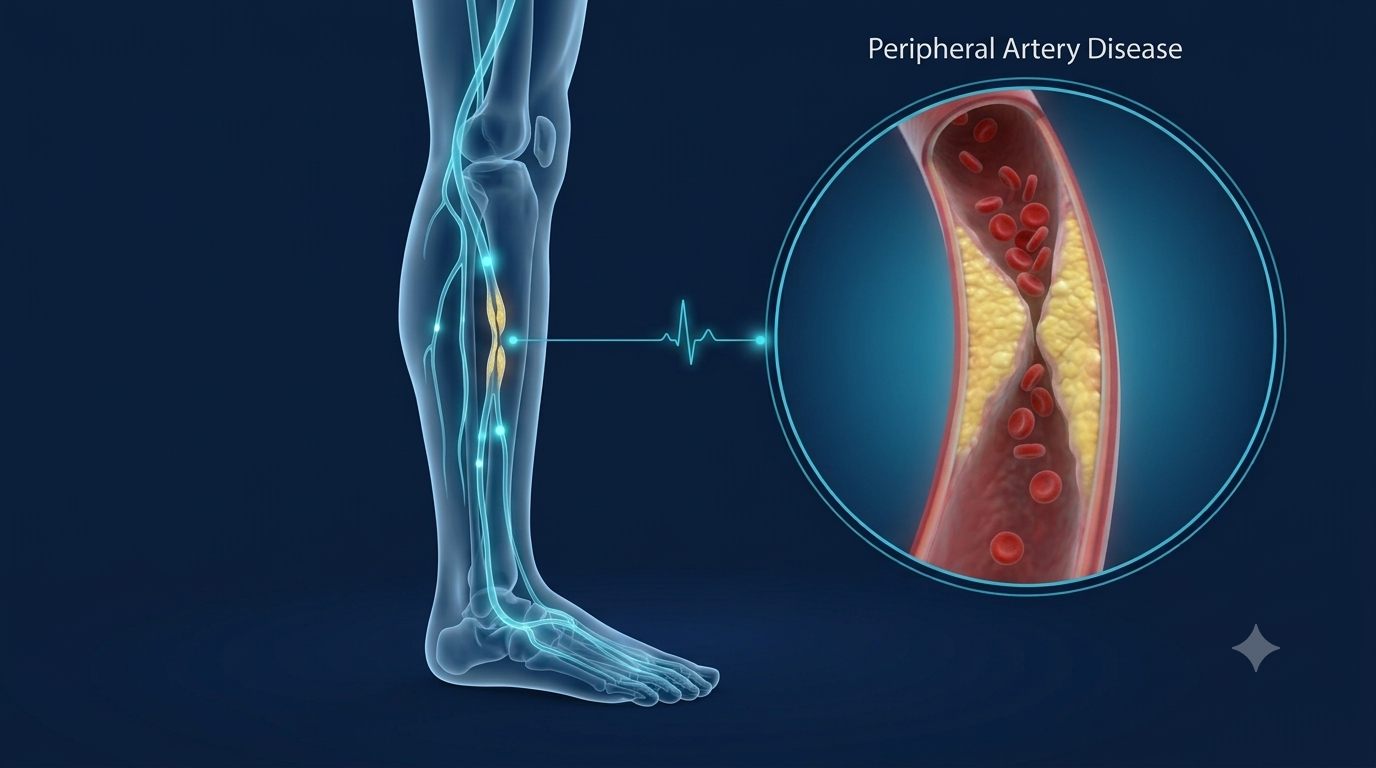
Poor circulation in the legs and feet is most commonly caused by narrowed or blocked arteries — a condition known as Peripheral Artery Disease (PAD). When plaque builds up inside the arteries, blood flow to the limbs is reduced, leading to cold feet, numbness, cramping and slow-healing wounds.
Poor circulation is often the earliest warning sign of underlying vascular disease. A simple, painless in-office test can identify the cause quickly. At Advanced Medical Group, Dr. Merwin Richard evaluates and treats the root cause — restoring healthy blood flow without a hospital stay.
Key Facts
How We Evaluate Poor Circulation
Physical Exam
Dr. Richard checks pulses in the feet and legs, examines the skin and reviews your symptoms and risk factors.
ABI Testing
The Ankle-Brachial Index — a simple, painless test comparing blood pressure in the ankle to the arm — quickly detects reduced arterial flow.
Vascular Ultrasound
Duplex ultrasound imaging visualizes blood flow and pinpoints areas of narrowing or blockage.
Treatment Plan
Based on findings, a plan is created — from lifestyle changes to minimally invasive intervention to restore circulation.
Signs of Poor Circulation
Cold Feet & Legs
One or both feet feel noticeably colder than the rest of the body — a common early sign of reduced arterial flow.
Numbness or Tingling
A pins-and-needles sensation, numbness or weakness in the feet and legs, often after activity.
Leg Cramping When Walking
Pain or cramping in the calves, thighs or buttocks that comes on with walking and eases with rest (claudication).
Slow-Healing Wounds
Cuts, sores or ulcers on the feet or legs that heal slowly or not at all due to insufficient blood supply.
Skin & Nail Changes
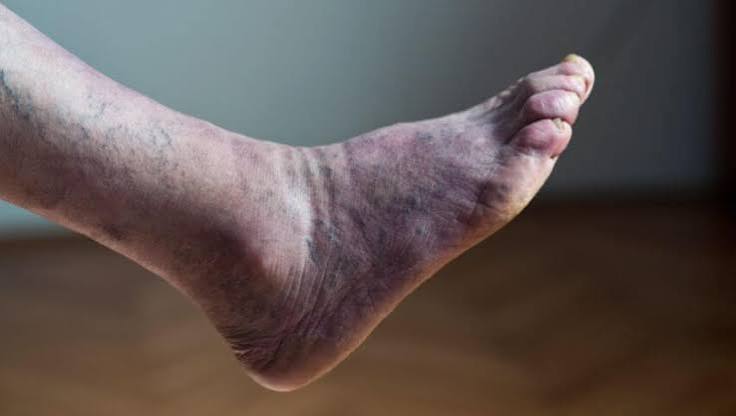
Pale or bluish skin, shiny skin, hair loss on the legs and slow-growing or brittle toenails.
Weak Pulse in the Feet
A weak or hard-to-find pulse in the feet or ankles — a clinical sign of reduced circulation.
What to Expect at Our Vascular Procedure Center
Consultation
Dr. Richard reviews your symptoms and risk factors. ABI testing is performed the same visit.
In-Office Testing
ABI and duplex ultrasound performed in-office with results reviewed the same day.
Treatment Plan
A personalized plan is created — lifestyle guidance, medication or minimally invasive intervention.
Treatment
If a blockage is found, angioplasty or stenting can restore blood flow — in-office, under local anesthesia.
Follow-Up
Ongoing monitoring and lifestyle guidance to maintain healthy circulation.
Frequently Asked Questions
It can be. Poor circulation is often the first warning sign of Peripheral Artery Disease, which raises the risk of heart attack, stroke and limb loss. A simple in-office test can identify the cause early.
With a simple, painless ABI test and duplex ultrasound performed in our office — with same-day results reviewed by Dr. Richard.
Yes. Depending on the cause, treatment ranges from lifestyle changes to minimally invasive procedures such as angioplasty or stenting to restore blood flow.
No. Evaluation and most treatments are performed entirely in our private North Bergen Vascular Procedure Center with same-day discharge.
Yes — vascular testing and treatment are covered by Medicare and most major commercial plans when medically indicated. Our team verifies coverage before your visit.
Ready to take the next step?
Schedule a consultation at our North Bergen Vascular Procedure Center. Same-day appointments available.