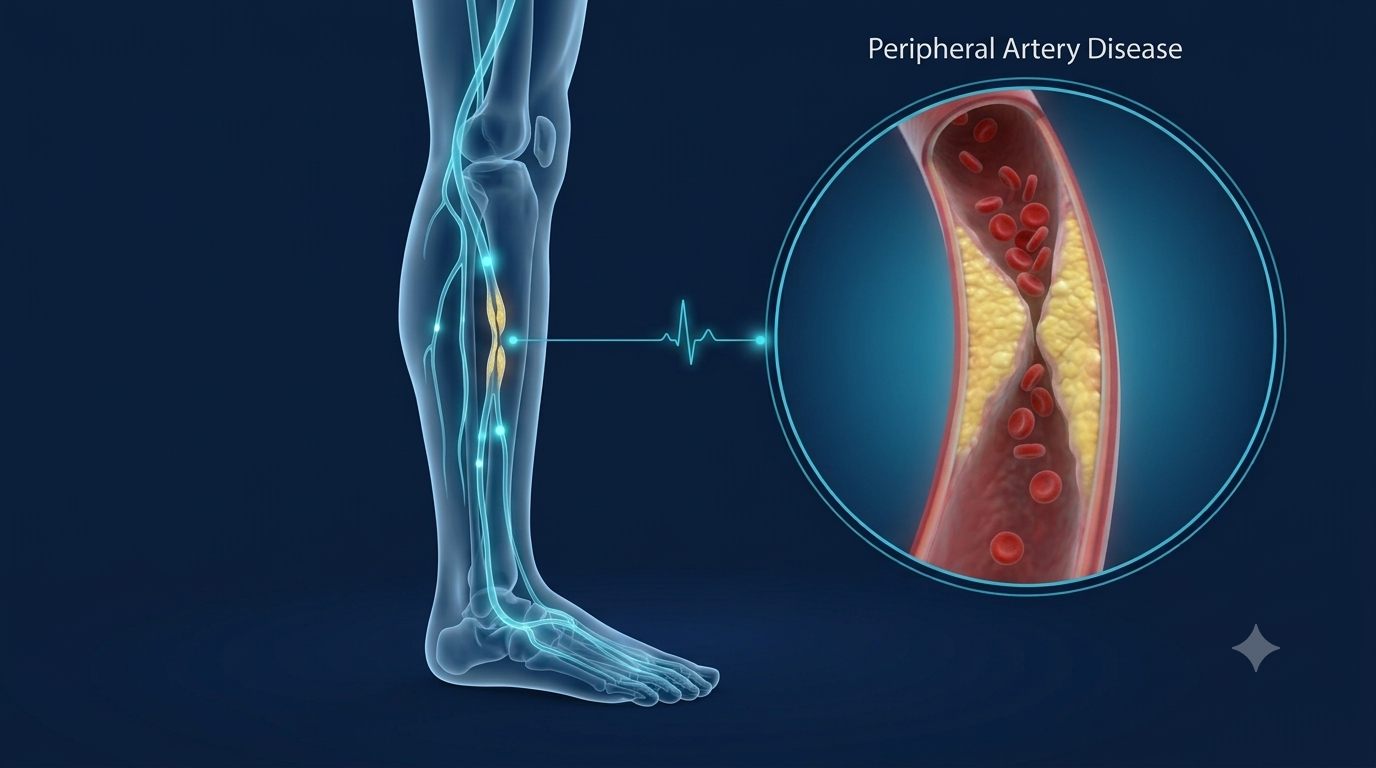
PAD Intervention
Personalized, image-guided procedures that restore blood flow in Peripheral Artery Disease — minimally invasive, in-office, walk out the same day.
What Is PAD Intervention?
PAD Intervention refers to the full spectrum of minimally invasive, image-guided procedures used to diagnose, treat and restore blood flow in patients with Peripheral Artery Disease (PAD). Rather than a single procedure, PAD Intervention is a personalized treatment approach — tailored to the location, number and severity of arterial blockages identified in each patient.
All PAD interventions at Advanced Medical Group are performed by Dr. Merwin Richard, MD in our private North Bergen OBL — without hospital admission, without general anesthesia, and with same-day return home.
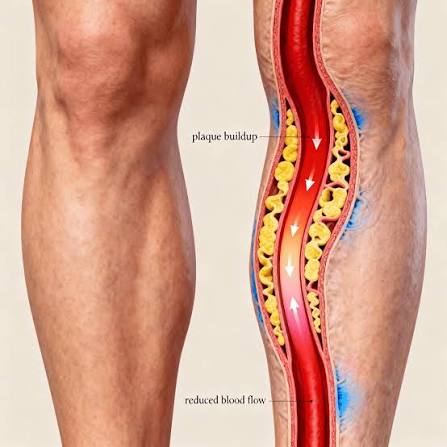
Key Facts
What PAD Intervention Involves
Angioplasty
A balloon catheter is advanced to the blockage and inflated to open the narrowed artery and restore blood flow — the most common first-line intervention.
Stent Placement
A metal mesh stent is placed inside the artery following angioplasty to keep it open permanently and prevent re-narrowing.
Atherectomy
A specialized device physically removes plaque from the artery wall before angioplasty — particularly useful in heavily calcified vessels.
Thrombolysis
If a blood clot is contributing to the blockage, clot-dissolving medication is delivered directly into the artery through the catheter.
Stages of PAD We Treat
Mild PAD — Claudication
Leg pain or cramping during walking that goes away with rest. Angioplasty often restores circulation and eliminates symptoms.
Moderate PAD
Increasing frequency of claudication, cold feet, skin color changes and early wound healing issues. Stent placement commonly required.
Severe PAD — Rest Pain
Pain occurring even at rest — particularly in the feet at night. Urgent intervention to prevent further deterioration.
Critical Limb Ischemia (CLI)
The most advanced stage — non-healing wounds, ulcers or gangrene threatening limb survival. Immediate intervention is essential to prevent amputation.
How PAD Intervention Works
Diagnostic Angiogram
A diagnostic angiogram maps the arterial blockages precisely, showing the exact location, number and severity of the disease.
Access & Local Anesthesia
The access site — usually the groin or foot — is cleaned and numbed with local anesthesia. No general anesthesia is required.
Catheter Guided to Blockage
A thin, flexible catheter is guided through the artery to the blockage under real-time X-ray guidance.
Blood Flow Restored
The chosen technique — angioplasty, stent placement, atherectomy or thrombolysis — opens the artery and restores circulation.
Same-Day Discharge
A short monitored rest follows. Most patients walk out and go home within 1–2 hours the same day.
Am I a Candidate?
Ideal For Patients Who Have
- Diagnosed Peripheral Artery Disease at any stage
- Leg pain, claudication or cramping limiting daily activity
- Cold, numb or discolored feet or legs
- Non-healing wounds, ulcers or sores on the feet or legs
- Been told they may need amputation due to poor circulation
Good to Know
- All procedures performed under local anesthesia with same-day discharge
- No hospital admission and no general anesthesia
- Covered by Medicare and most major commercial plans
What to Expect at Our Vascular Procedure Center
Consultation
Dr. Richard reviews your symptoms, imaging and medical history to plan the most appropriate intervention.
Diagnostic Angiogram
Contrast imaging maps the arterial blockages precisely, guiding the exact technique and location of treatment.
Intervention
Angioplasty, stent placement, atherectomy or thrombolysis performed through a small catheter under local anesthesia.
Recovery
Short monitored rest in our office. Most patients go home within 1–2 hours the same day.
Follow-Up
Dr. Richard monitors blood flow improvement and provides ongoing lifestyle guidance to minimize recurrence.
Frequently Asked Questions
No. Bypass surgery requires open surgery and general anesthesia. PAD intervention is performed through a small catheter under local anesthesia — no large incisions, no hospital stay.
Dr. Richard determines the appropriate technique after reviewing your imaging and performing a diagnostic angiogram. The treatment plan is fully discussed with you before proceeding.
Yes — PAD can recur if underlying risk factors such as smoking, diabetes and high cholesterol are not managed. Dr. Richard provides ongoing monitoring and lifestyle guidance to minimize recurrence.
No. All PAD interventions are performed in our private OBL with same-day discharge.
Yes — PAD interventions including angioplasty and stent placement are covered by Medicare and most major commercial plans. Our team verifies coverage at no cost before your visit.
Yes — we provide care in English and Spanish. Se habla español.
Ready to take the next step?
Schedule a consultation at our North Bergen Vascular Procedure Center. Same-day appointments available.