Knee Osteoarthritis
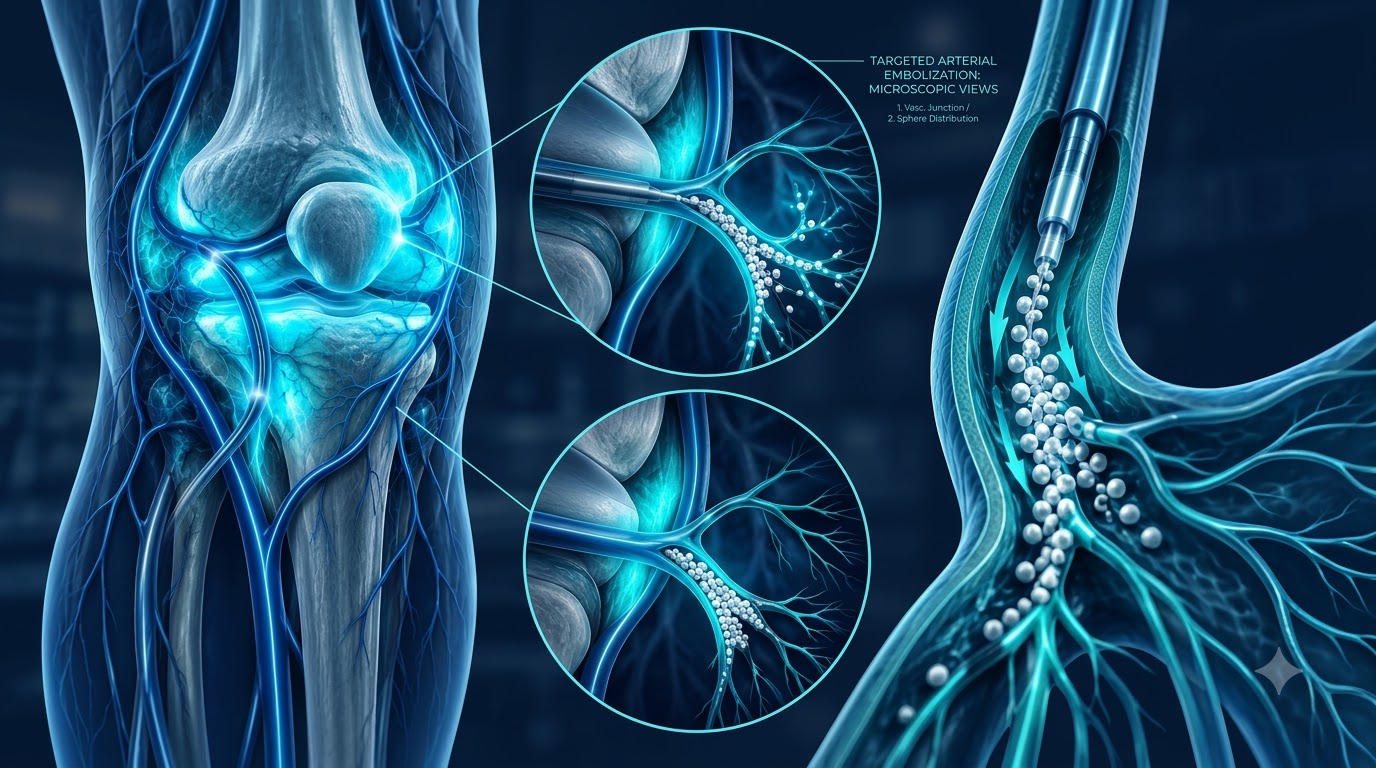
Chronic knee pain caused by joint degeneration — now treatable without surgery at our private North Bergen OBL through Genicular Artery Embolization (GAE).
What Is Knee Osteoarthritis?
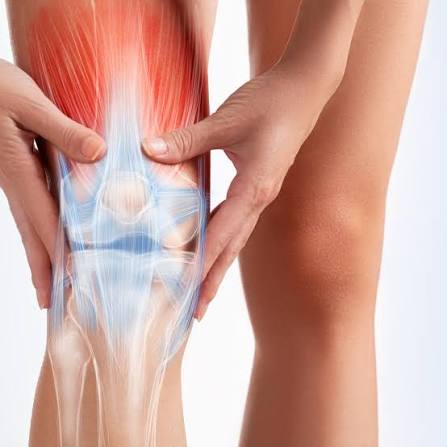
Knee osteoarthritis is a degenerative joint disease and one of the most common causes of chronic knee pain — affecting millions of adults, particularly those over the age of 50. It occurs when the cartilage that cushions the knee joint gradually wears down, causing the bones to rub against each other and triggering persistent inflammation in the surrounding synovial tissue.
As the condition progresses, the inflamed synovial lining generates ongoing pain signals — even when the joint is at rest. Most patients try physical therapy, cortisone injections and anti-inflammatory medications before being told knee replacement is their only option. It is not.
Key Facts
Who Is at Risk?
Age Over 50
Risk increases significantly after 50 as cartilage loses its ability to regenerate and repair itself naturally.
Obesity
Excess body weight places additional mechanical stress on the knee joint, accelerating cartilage breakdown over time.
Prior Knee Injuries
Previous fractures, ligament tears or meniscus injuries significantly increase the likelihood of developing osteoarthritis later in life.
Repetitive Stress
Occupations or activities requiring repeated kneeling, squatting or heavy lifting contribute to early cartilage wear.
Genetics
A family history of osteoarthritis increases personal susceptibility — particularly when combined with other risk factors.
Gender
Women over 50 are more likely than men to develop knee osteoarthritis, particularly after menopause due to hormonal changes.
Signs You May Have Knee Osteoarthritis
Pain with Movement
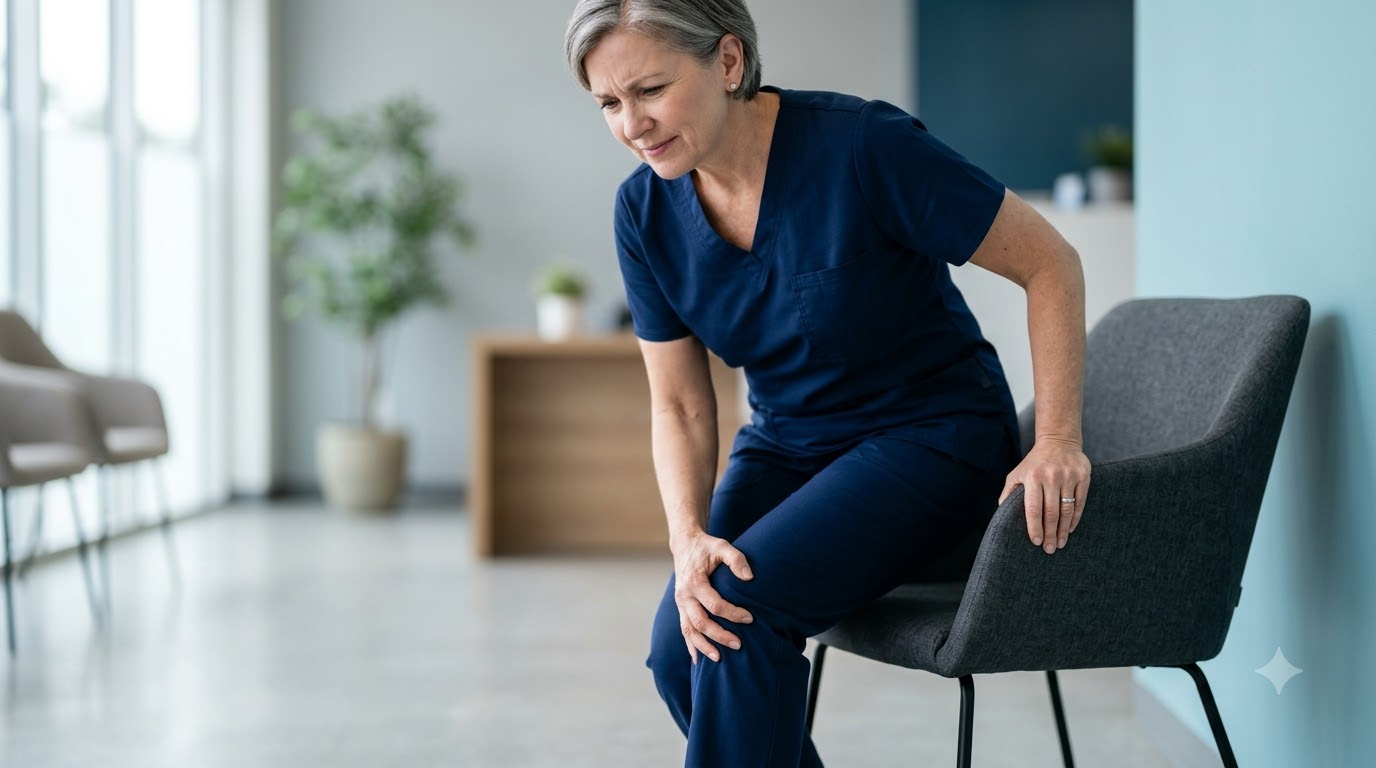
Aching or sharp knee pain when walking, climbing stairs or rising from a chair — often the first and most noticeable symptom.
Swelling & Warmth
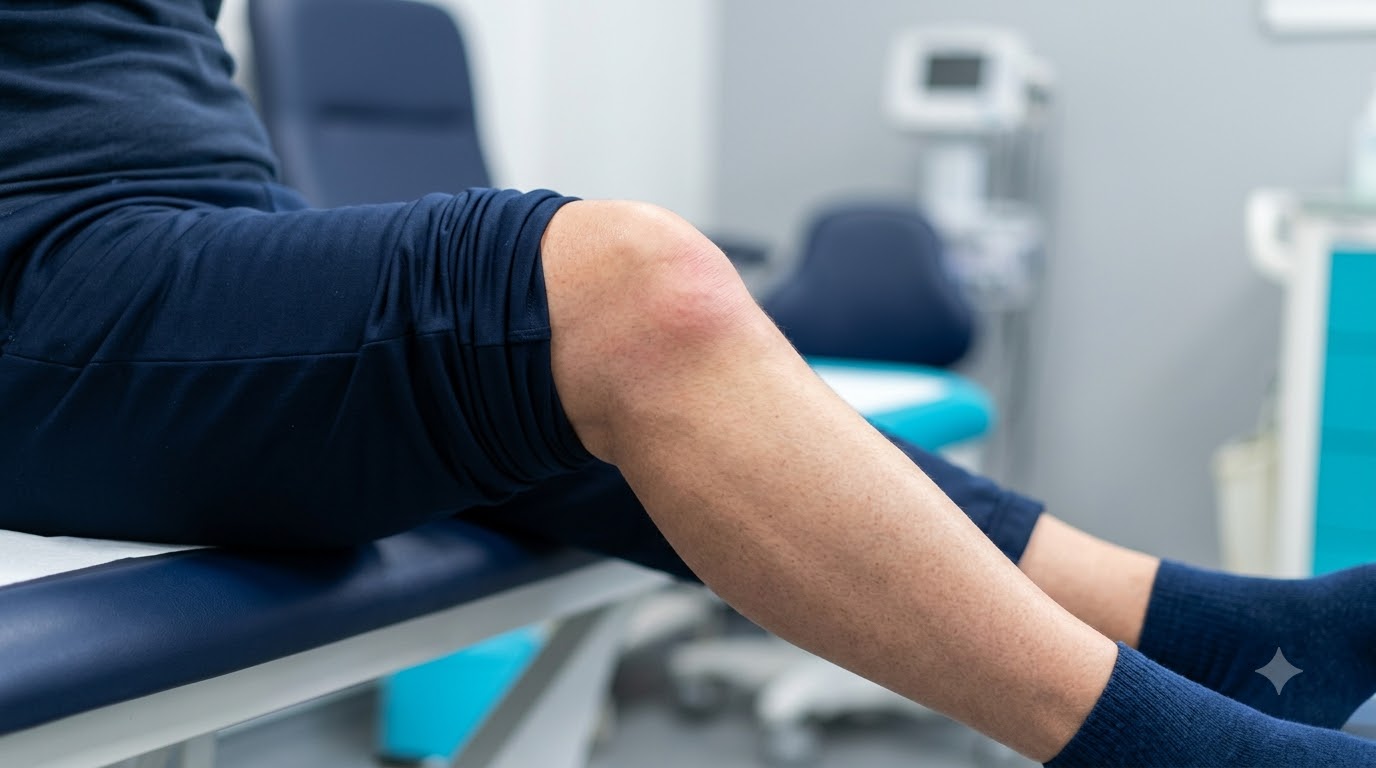
Visible swelling and warmth around the knee caused by ongoing synovial inflammation — often worse after activity.
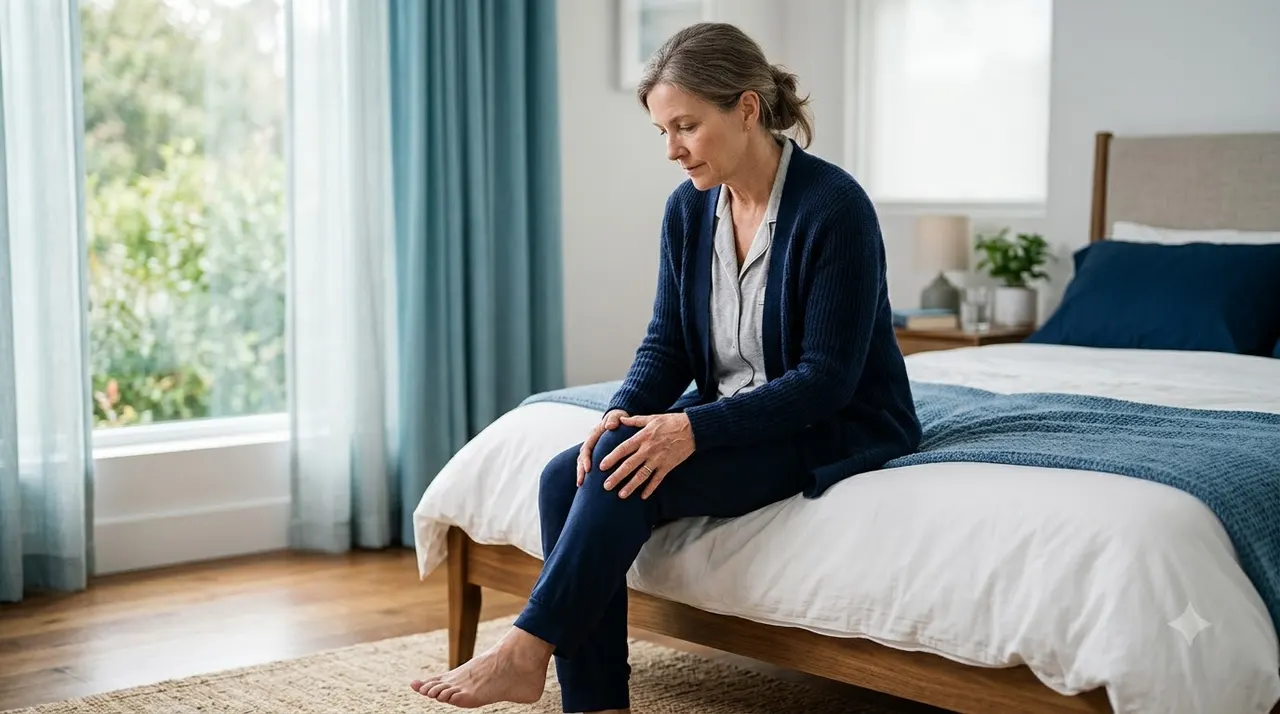
Morning Stiffness
Difficulty bending or fully straightening the knee after rest — particularly first thing in the morning or after sitting for long periods.
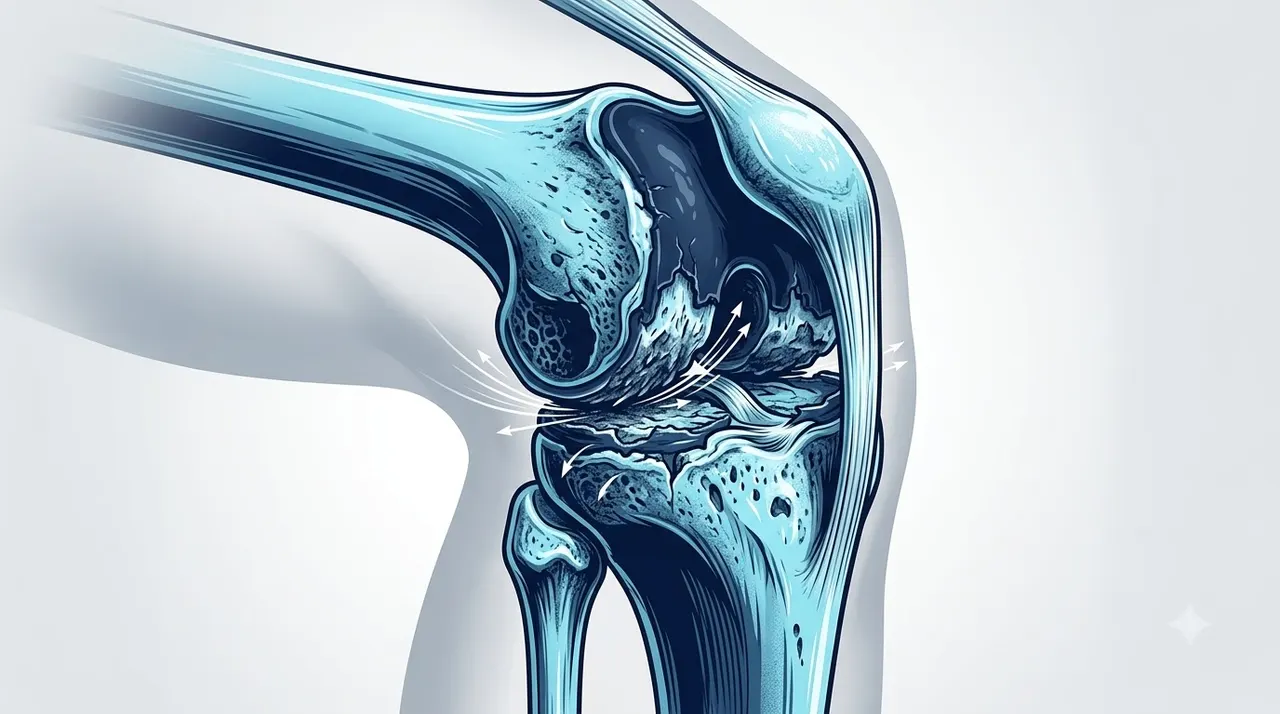
Grinding or Clicking
A grinding, clicking or popping sensation (crepitus) when bending or straightening the knee — caused by rough cartilage surfaces or bone rubbing together.

Pain at Rest or at Night
Persistent aching or throbbing in the knee even when seated or lying down — a sign of moderate to advanced disease requiring evaluation.
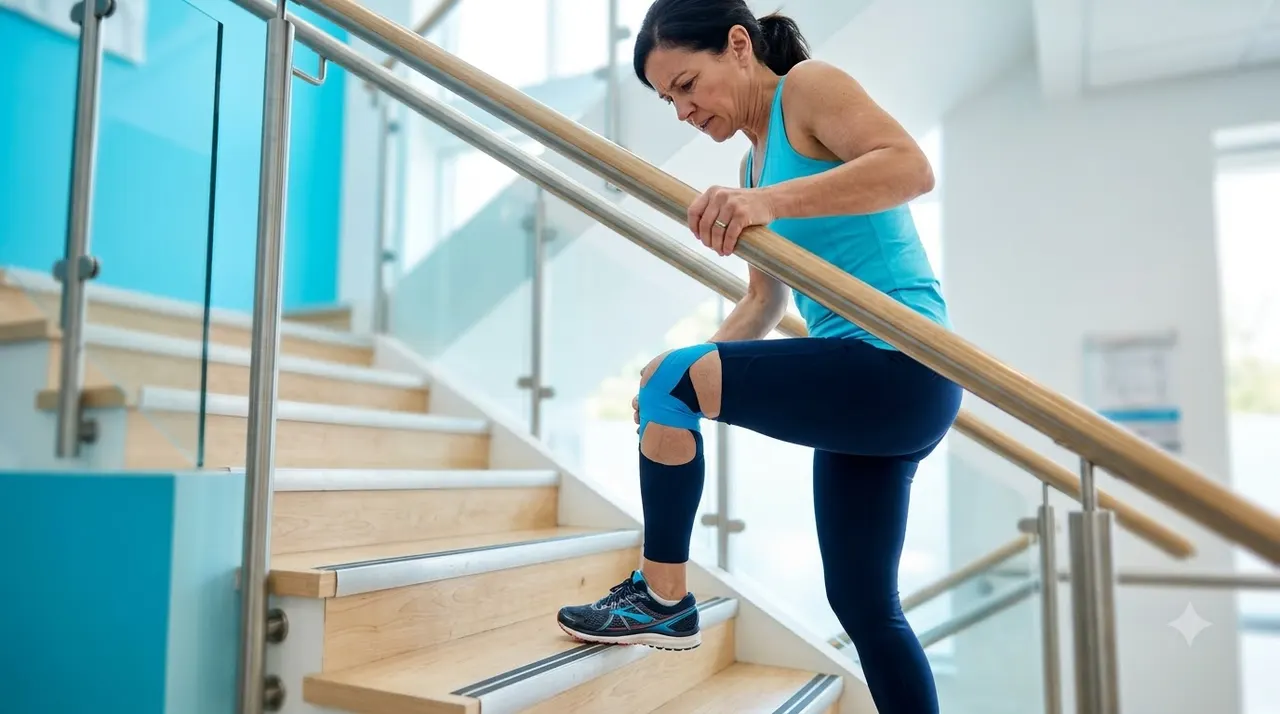
Reduced Range of Motion
Inability to fully bend or extend the knee — limiting daily activities such as walking, driving, climbing stairs or exercising.
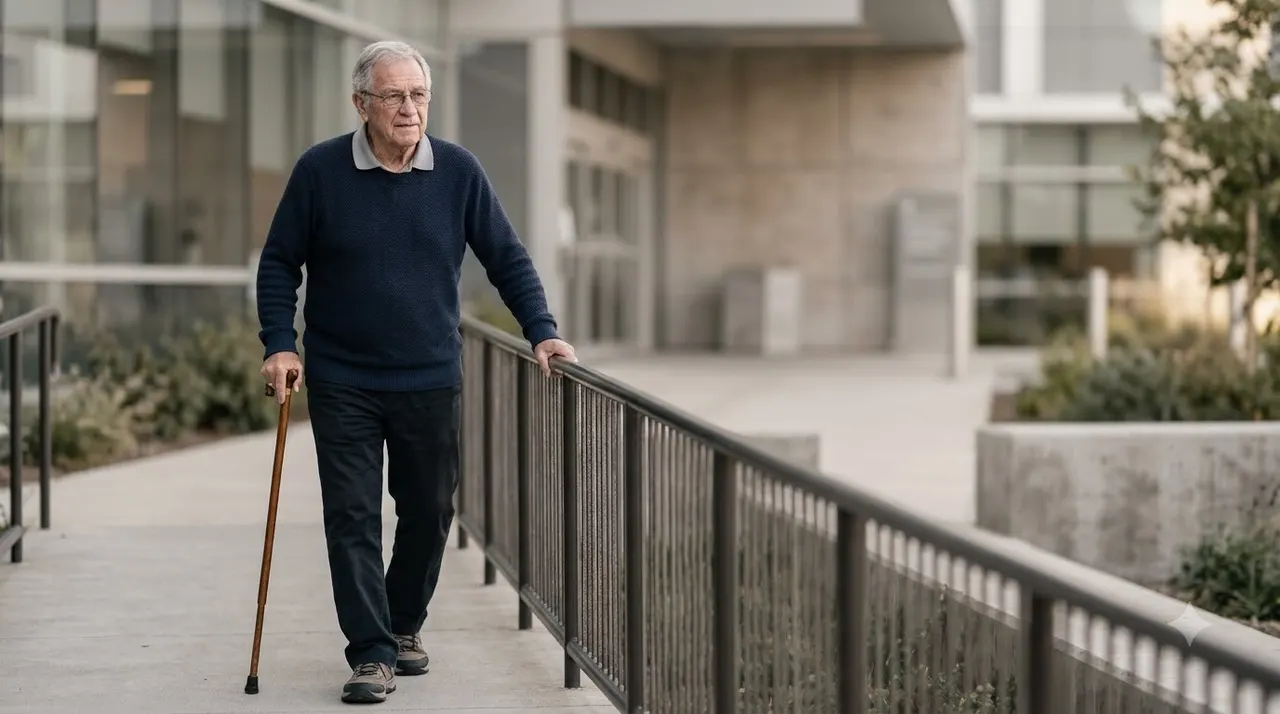
Loss of Independence
Chronic pain causing avoidance of activity, difficulty sleeping, reliance on pain medication and reduced ability to perform daily tasks independently.
How Knee Osteoarthritis Develops
Cartilage Wears Down
The smooth cartilage cushioning the knee joint gradually breaks down over years — losing its ability to absorb shock and allow pain-free movement.
Bone-on-Bone Contact
Without the cartilage buffer, bones begin to rub directly against each other — causing pain, grinding sensations and further joint damage with every step.
Synovial Inflammation
The synovial tissue lining the joint becomes chronically inflamed — fed by an increased blood supply through the genicular arteries — generating persistent pain signals.
Chronic Pain Cycle
Inflammation worsens with activity, swelling increases, movement becomes restricted and pain becomes constant — affecting sleep, independence and quality of life.
How We Treat It
GAE May Be Right For You If
- Chronic knee pain confirmed as osteoarthritis on X-ray or MRI
- Not found lasting relief from conservative treatments
- Want a non-surgical alternative to knee replacement
- Wish to avoid or delay knee replacement surgery
- Prefer an in-office, walk-in walk-out procedure
Good to Know
- GAE reduces blood flow to the inflamed synovial tissue driving the pain
- Minimally invasive — no surgery, no cutting the knee, no hospital stay
- GAE does not prevent knee replacement later if it is ever needed
What to Expect at Our Vascular Procedure Center
Consultation
Dr. Richard reviews your X-ray or MRI, symptoms and prior treatments to confirm osteoarthritis and GAE candidacy.
Imaging Review
The genicular arteries feeding the inflamed synovial tissue are identified to plan the procedure precisely.
GAE Procedure
A minimally invasive, image-guided procedure reduces blood flow to the inflamed tissue — no surgery, no hospital stay.
Recovery
Short monitored rest in our OBL. Walk in, walk out — most patients go home the same day.
Follow-Up
Dr. Richard monitors your pain relief and mobility, with most patients noticing lasting improvement over the following weeks.
Frequently Asked Questions
There is currently no cure for osteoarthritis but the symptoms — particularly pain — are highly treatable. GAE provides significant and lasting pain relief without surgery.
Not necessarily. GAE is a non-surgical alternative that provides lasting pain relief for the majority of patients with osteoarthritic knee pain. If GAE is performed, knee replacement can still be considered later if needed — GAE does not prevent it.
Cortisone injections reduce inflammation temporarily — usually for weeks to months. GAE addresses the underlying blood supply driving the inflammation, providing longer-lasting relief by targeting the root cause rather than masking symptoms.
If you have chronic knee pain confirmed as osteoarthritis on X-ray or MRI and have not found lasting relief from conservative treatments, call us to schedule a consultation with Dr. Richard at our North Bergen OBL.
Coverage varies by plan and is increasingly being approved by Medicare and major commercial plans as clinical evidence grows. Our team verifies your coverage before your visit at no cost.
Yes — Dr. Richard and our team provide care in both English and Spanish. Se habla español.
Ready to take the next step?
Schedule a consultation at our North Bergen Vascular Procedure Center. Same-day appointments available.