Peripheral Artery Disease (PAD)
Narrowed arteries reducing blood flow to your legs — diagnosed and treated without a hospital stay.
What Is Peripheral Artery Disease?
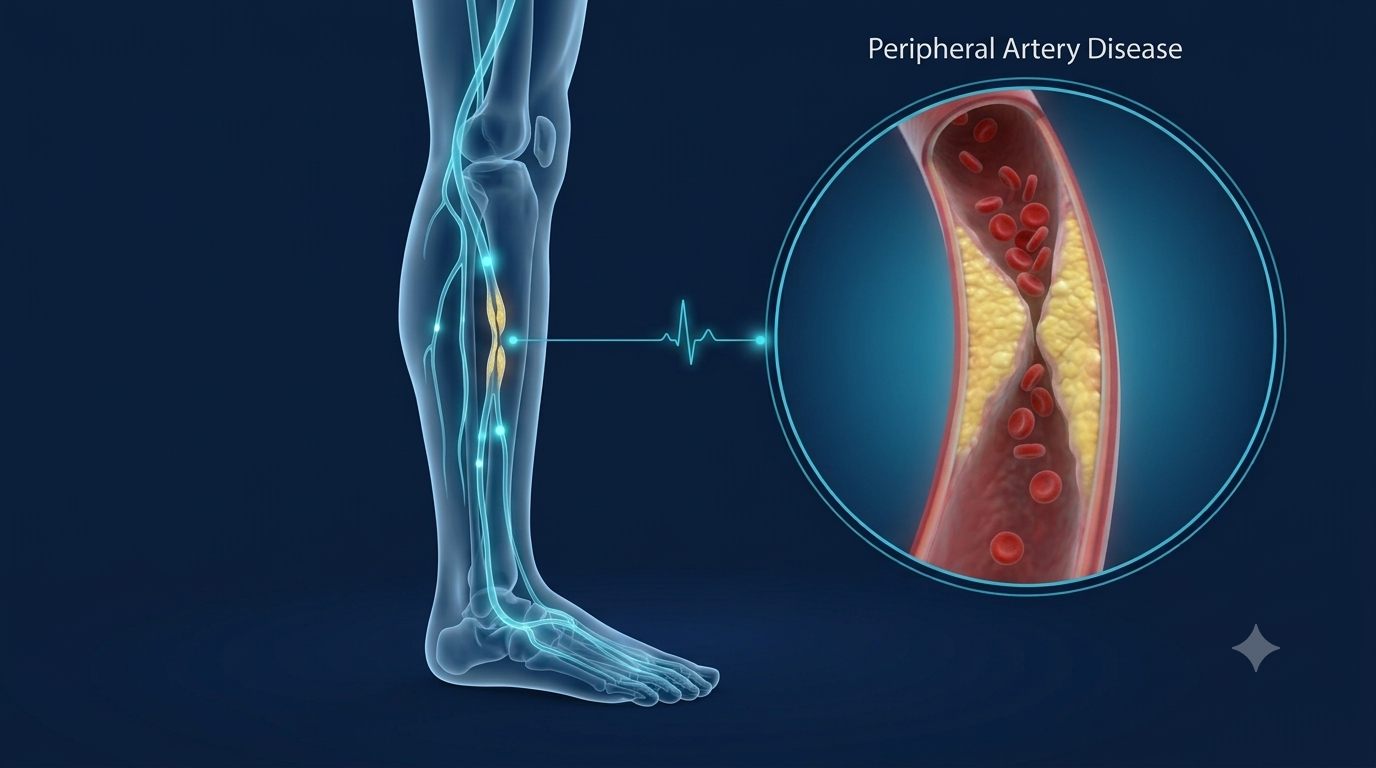
Peripheral Artery Disease (PAD) is a circulatory condition in which narrowed arteries reduce blood flow to the limbs — most commonly the legs and feet. It occurs when fatty deposits (plaque) build up inside the arterial walls, a process known as atherosclerosis, causing the arteries to harden and narrow over time.
PAD is far more common than most people realize — affecting over 8 million Americans. It is also a serious warning sign. People with PAD have a significantly higher risk of heart attack, stroke and limb loss if left untreated. The good news is that it is highly treatable, especially when caught early.
Key Facts
Symptoms
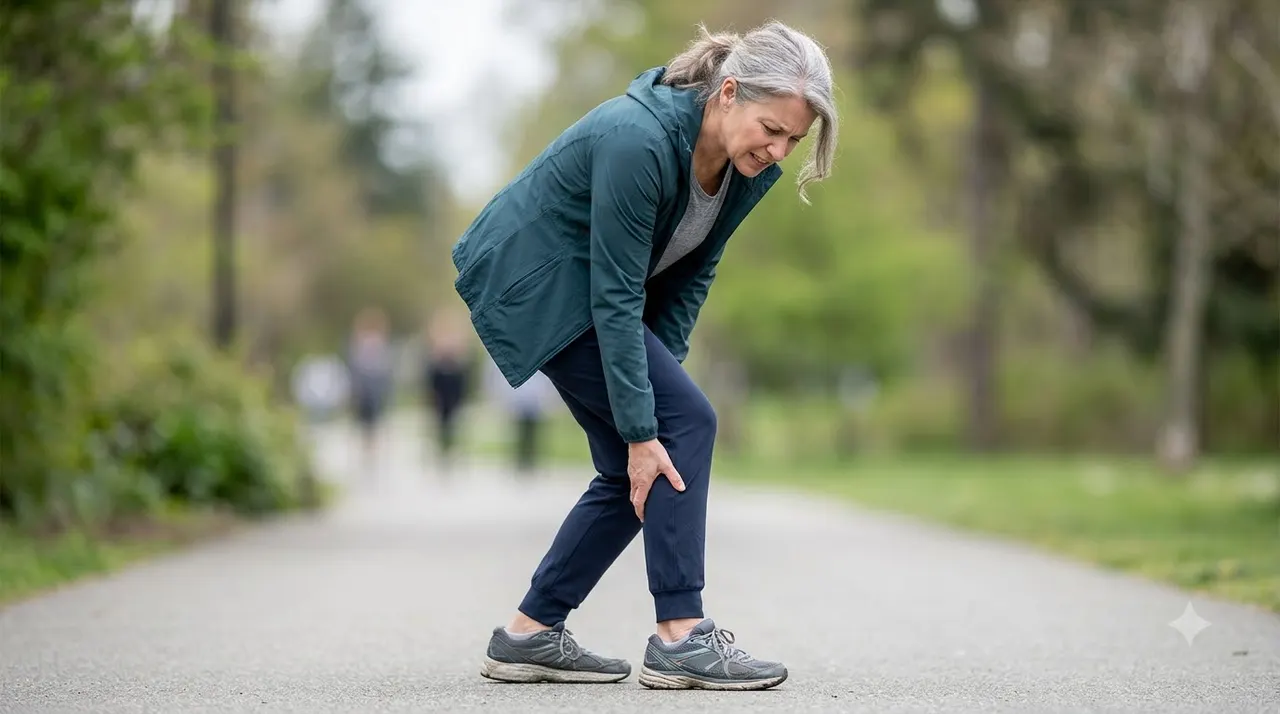
Leg Pain or Cramping When Walking
Aching, cramping or pain in the calves, thighs or hips that starts during walking and goes away with rest (intermittent claudication) — the hallmark symptom of PAD.
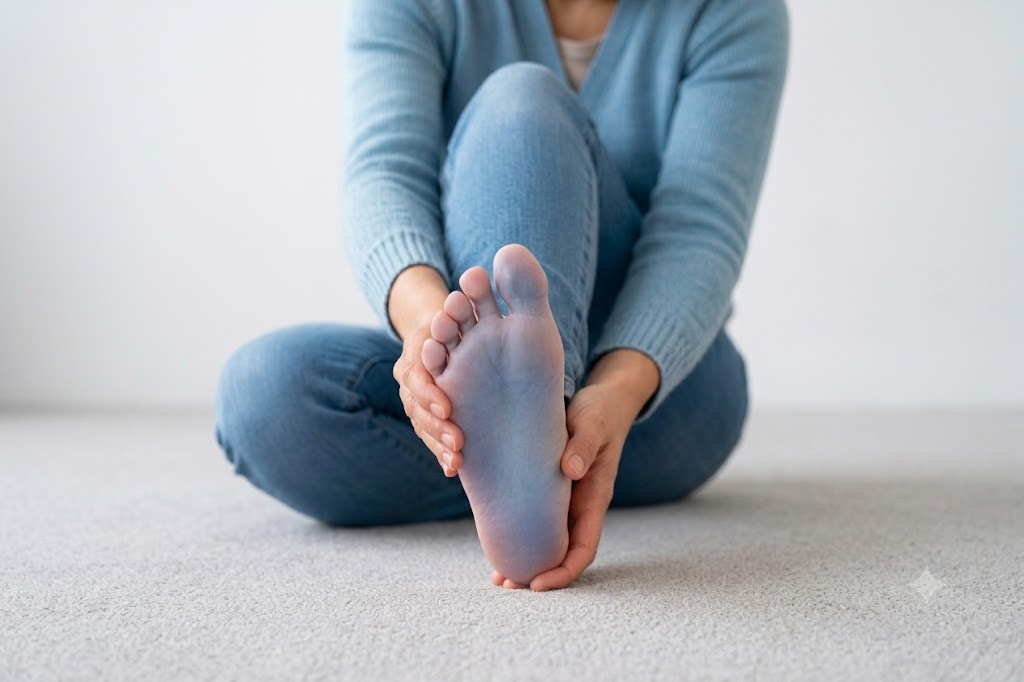
Cold or Numb Feet and Legs
One foot or leg feels noticeably colder than the other. Numbness or weakness is also common, particularly after activity.
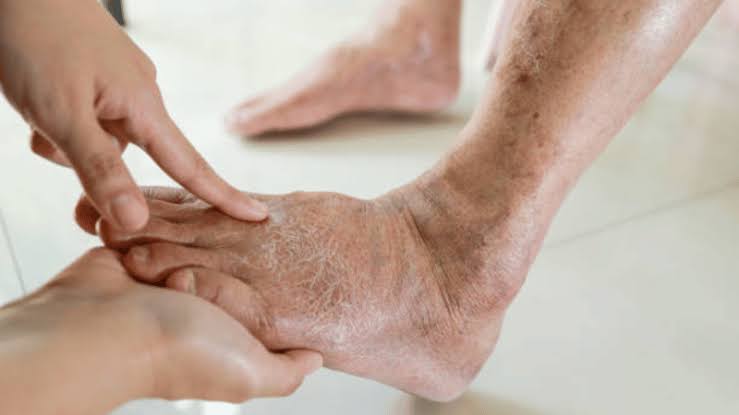
Skin Discoloration on the Legs
Skin on the legs or feet may appear pale, bluish or dark. Hair loss and shiny skin are also signs of reduced blood flow.
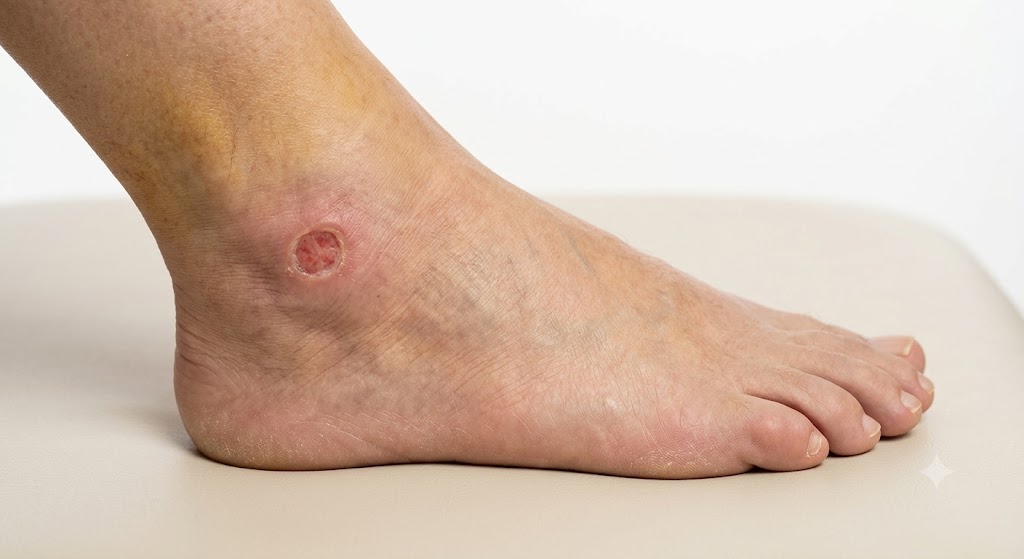
Slow-Healing Wounds or Sores
Cuts, sores or ulcers on the feet or legs that heal very slowly or not at all — a serious sign of advanced PAD.
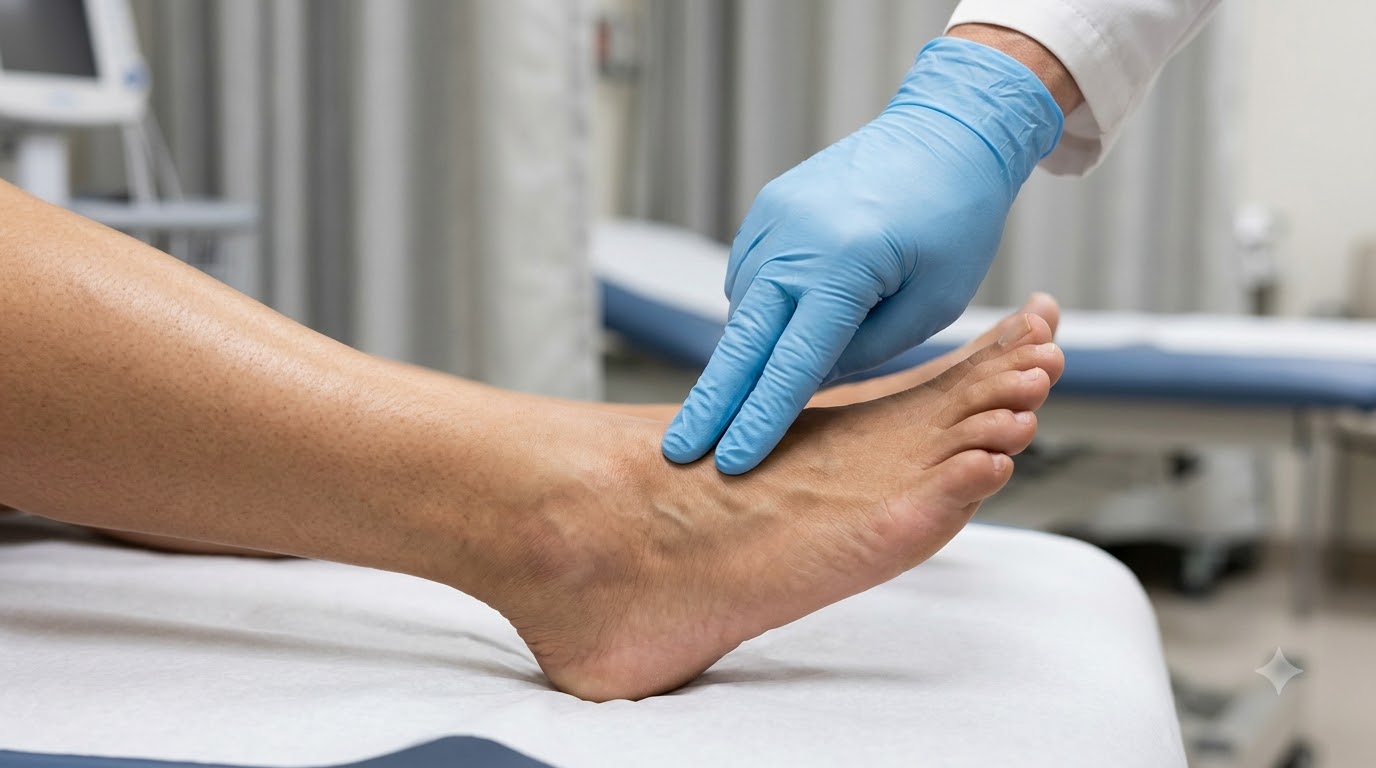
Weak or Absent Pulse in Legs/Feet
A weak or absent pulse in the feet or ankles detected during a physical exam is a key clinical sign of PAD.

Rest Pain
In advanced PAD, pain occurs even at rest — typically in the feet at night. A sign of critical limb ischemia requiring urgent care.

Erectile Dysfunction in Men
In men, PAD affecting arteries in the pelvis can cause or worsen erectile dysfunction — an often overlooked early indicator of peripheral vascular disease.
What Causes PAD?
Smoking
The single biggest risk factor. Smoking damages and narrows the arteries, dramatically accelerating plaque buildup (atherosclerosis) throughout the body.
Diabetes
High blood sugar damages artery walls over time, greatly increasing the risk and severity of PAD — and the risk of non-healing foot wounds.
High Blood Pressure
Sustained high pressure stresses and stiffens the artery walls, promoting plaque formation and reduced blood flow to the legs.
High Cholesterol
Excess LDL cholesterol is a primary building block of arterial plaque — the fatty deposits that narrow and block the arteries.
Age Over 50
The risk of PAD rises significantly with age. Adults over 50 — especially with other risk factors — should be evaluated for reduced circulation.
Family History
A family history of PAD, heart disease or stroke raises your risk, reflecting both genetic predisposition and shared lifestyle factors.
How We Diagnose PAD
Physical Exam
Checking pulses in the feet and legs, listening for abnormal sounds (bruits) in the arteries and examining the skin for changes.
ABI Testing
Ankle-Brachial Index — a simple, painless test comparing blood pressure in the ankle to the arm to detect reduced arterial flow.
Vascular Ultrasound
Duplex ultrasound imaging to visualize blood flow in the arteries and identify areas of narrowing or blockage.
Diagnostic Angiogram
Contrast imaging to precisely map arterial blockages and guide intervention — performed in our Vascular Procedure Center if needed.
Treatment Options
All PAD interventions are performed by Dr. Merwin Richard, MD at our North Bergen Vascular Procedure Center — no hospital, no overnight stay.
Angiogram
Arterial contrast imaging to precisely identify the location and severity of blockages — often performed as the first step before intervention.
View AngiogramAngioplasty
A balloon catheter is inserted into the narrowed artery and inflated to open it up and restore blood flow — performed under local anesthesia with same-day discharge.
View AngioplastyStent Placement
A small metal mesh tube (stent) is placed inside the artery following angioplasty to keep it open permanently and prevent re-narrowing.
View Stent PlacementPeripheral Artery Disease Intervention
A comprehensive image-guided catheter-based approach to restore circulation to the limbs — tailored to the location and severity of the blockage.
View Peripheral Artery Disease Intervention
Board-Certified Interventional Cardiologist · 35+ Years
Dr. Merwin Richard is Hudson County's leading vascular interventionalist and the founder of the only private Vascular Procedure Center in the region. With fellowship training at Mount Sinai and decades of experience performing angioplasty, stent placement and complex vascular interventions, Dr. Richard brings hospital-level expertise to a private, patient-centered setting.
What to Expect at Our Vascular Procedure Center
Consultation
Dr. Richard reviews your symptoms, medical history and risk factors. ABI testing performed same visit.
Imaging
Vascular ultrasound and/or angiogram to precisely map the location and severity of arterial blockages.
Procedure
Angioplasty, stent placement or PAD intervention performed in our Vascular Procedure Center under local anesthesia. No hospital admission.
Recovery
Short monitored rest in our office. Most patients go home within 1–2 hours of the procedure.
Follow-Up
Post-procedure follow-up with Dr. Richard to monitor blood flow improvement and guide ongoing management.
Frequently Asked Questions
Yes. PAD is a serious condition and a major risk factor for heart attack and stroke. It also carries the risk of limb loss if left untreated. The earlier it is diagnosed and treated, the better the outcomes.
Yes — in most cases. Angioplasty and stent placement are minimally invasive procedures performed in our Vascular Procedure Center under local anesthesia without open surgery or general anesthesia.
No. Diagnosis and treatment of PAD is performed entirely in our private North Bergen Vascular Procedure Center. No hospital admission, no overnight stay. Most patients go home the same day.
A simple in-office ABI test can identify PAD quickly and painlessly. If you have leg pain when walking, cold feet, slow-healing wounds or any of the symptoms above, call us for an evaluation.
Yes — angioplasty, stent placement and PAD interventions are covered by Medicare and most major commercial plans. Our team verifies your coverage before your visit at no cost.
Yes — Dr. Richard and our team provide care in both English and Spanish. Se habla español.
Ready to take the next step?
Schedule a consultation at our North Bergen Vascular Procedure Center. Same-day appointments available.